
- Home
- Symptom Checker
-
Services
Allergy
Diagnostics
Aesthetics
Hormone Balancing
Gut Health / Nutrition
- Blog
- Podcasts
- Resources
-
About Us
About Us
- Contact Us
November 21, 2025
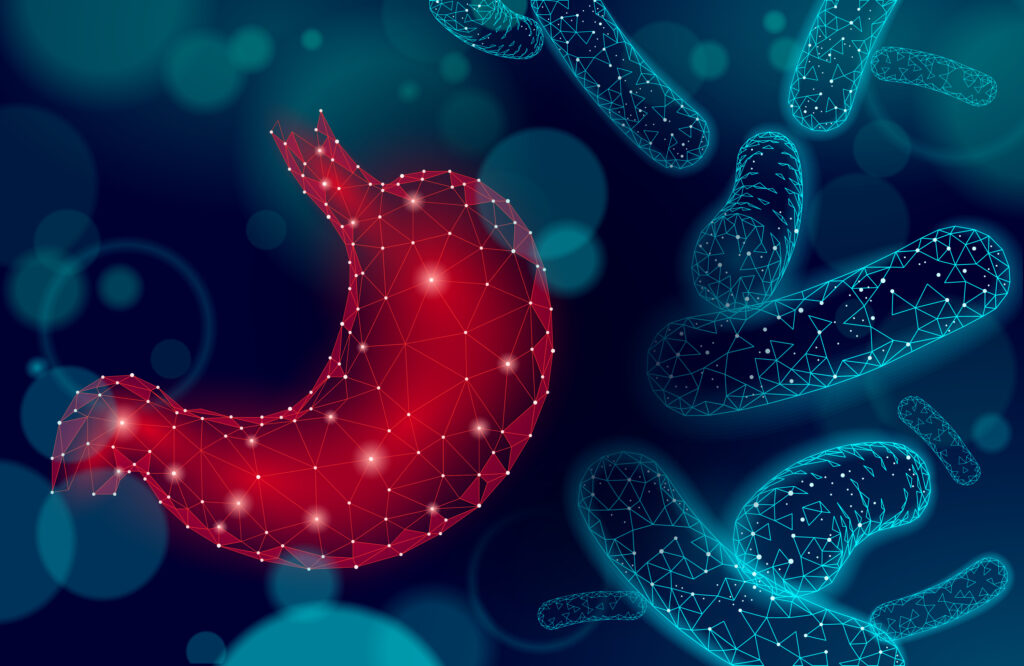
If you’ve ever finished a round of antibiotics and thought, “Why does my stomach feel so off?” you’re not alone. Antibiotics can be powerful tools when you need them, but they also affect your gut microbiome. For this reason, antibiotics should not be your “go-to” remedy for illness. We recommend natural remedies as much as possible. These natural remedies are best at the first signs of not feeling well, but can also assist when you are having symptoms. Working with an alternative, integrative, or functional medical provider can help educate you on natural approaches. Your microbiome is home to trillions of organisms that help with digestion, energy, immune support, and even mood. When antibiotics (or overuse of antibiotics) shift this balance, you may notice changes in how you feel.
At Hotze Health & Wellness Center, we see this often. Many guests come to us after seeing several providers because they still feel “not quite right,” even though they were told everything is “normal.” We listen closely to your symptoms, experiences, medical history, and goals so we can help you understand what your body is trying to tell you. Restoring gut health after antibiotics is a great place to start.
This guide shows you how your gut is affected and gives you practical steps to support your microbiome through food, lifestyle, and integrative strategies. We will also share how our 30-day Body Reboot Challenge can help you reset your system in a simple, structured way.
Your gut microbiome is a busy community of bacteria, fungi, and other microorganisms living inside your digestive tract. Researchers continue to learn how much this community influences digestion, metabolism, immune activity, hormones, and even mental clarity.² When your microbiome is diverse and balanced, you tend to feel steadier and more energized.
When antibiotics shift this community, you may notice symptoms you didn’t have before. That is why restoring gut health after antibiotics is so important. You want to help those beneficial species grow back so your system can find its rhythm again.
Antibiotics are designed to target harmful bacteria, but they cannot tell the difference between the “bad guys” and the beneficial strains that protect your gut.³ Even one course of antibiotics may lower microbial diversity for months.⁴ It is important to note that it is essential for your health to maintain the “good bacteria” in your gut and colon.
You may notice things like:
These shifts are common, and they are signs that your gut needs support. The good news is that you can rebuild your microbiome with intentional steps.
When your gut is in balance, it supports far more than digestion. Your microbiome talks to your immune system, thyroid, adrenals, and nervous system.⁵ This constant communication helps your body stay in sync. When the gut becomes imbalanced, you may notice changes in energy, mood, stress tolerance, or sleep. Restoring gut health after antibiotics gives your body the chance to reconnect these systems.
Probiotics can be a simple way to help your gut recover. They support microbial balance, digestive comfort, and diversity.⁶ Researchers often study strains like Lactobacillus, Bifidobacterium, and Saccharomyces boulardii.⁷ These strains help your gut lining, support immune activity, and encourage stability.
If you want a straightforward option, consider The Probiotic Blend Pro. It includes 3 prebiotics and 7 probiotics that have been carefully studied for their ability to colonize and support a healthy gut environment. Each capsule provides 20 billion organisms, giving you consistent probiotic support in one step.*
Consistency is your friend here. Taking probiotics daily helps recenter your microbiome as it rebuilds. Pairing them with prebiotic-rich foods (examples: onions, garlic, leeks, asparagus, dandelion greens, jicama and chicory root) can make your results even stronger.
Because antibiotics are widely used, bacteria have adapted in ways that make them harder to control.⁸ This is called antimicrobial resistance. While antibiotics are sometimes necessary, overuse may create additional challenges and further impact gut health.
This is another reason integrative approaches matter. They help you support your body in ways that reduce your long-term dependence on pharmaceutical drugs. Remember when you are not feeling well or yourself, your body is not lacking pharmaceutical drugs, it is lacking hormones or essential nutrients. Hormones naturally decline over time, and replenishing them with integrative, bioidentical options can offer a more supportive approach for overall wellness.
At Hotze Health & Wellness Center, we take a different approach than most providers. We specialize in uncovering root causes through integrative, whole-person care. Many of our guests tell us they wish they had found us sooner because they often come to us after feeling overlooked elsewhere.
Here’s how we are different:
Since 1989, we have served more than 35,000 individuals from across the country and around the world. People trust us because we treat the whole body, not an isolated symptom. Our goal is to help you restore balance, feel more like yourself, and increase your healthspan so your longer years are quality years.
Restoring gut health after antibiotics is often a foundational part of that journey.
You don’t need complicated protocols to make meaningful progress. Small daily choices can guide your microbiome toward balance again.
Prebiotics feed the beneficial bacteria you want to grow. Foods like asparagus, onions, garlic, and green bananas provide the fibers your microbiome thrives on.⁹ Start small and increase gradually so your digestion adjusts comfortably.
Fermented foods like sauerkraut, kimchi, kefir, and unsweetened yogurt contain natural cultures that support microbial balance.¹⁰ Even a few tablespoons a day can help.

Are you experiencing any gastrointestinal issues? Do you want to improve your gut health? We have just the recipe for you! This is a very healthy yogurt recipe with beneficial probiotics that will take yogurt to the next level. It is not anything like what you get at the grocery store. Give it a try – you won’t be disappointed!
Fiber helps digestion, fuels beneficial bacteria, and supports healthy bowel movements.¹¹ Try adding vegetables, chia seeds, flaxseed, or legumes.
Water helps nutrients move through your digestive tract and keeps everything functioning smoothly. Drink half your body weight in ounces of water per day.
Sugar encourages yeast overgrowth, especially after antibiotics.¹² Reducing, or even eliminating, sugar helps stabilize your gut environment and supports better energy.
After antibiotics, some people notice symptoms linked to yeast imbalance. A yeast-free approach can help bring things back into sync. Joining the 30-day Body Reboot Challenge will help you get on the right track. Join our Body Reboot Challenge Facebook group HERE for tips, recipes, group engagement, and encouragement. By joining this Facebook group, you will be among the first to get the link to our Annual Challenge for weight loss and gut health. We start this challenge every January. It is 100% free of charge to join, and the benefits are enormous. You will get emails, motivation, and coaching from Certified Nutritionists. We’ll help you clean out your pantry and provide shopping lists to ensure you are ready for healthy eating and a clean-up of your gut!
Quality sleep supports your immune system and microbiome.¹³ Simple habits, like dimming lights earlier or reducing screens before bed, can make a difference.
Movement helps digestion, lymphatic flow, and overall balance. You don’t need intense workouts. Even walking or stretching can help.
Your gut and your brain are deeply connected. Stress can disrupt the microbiome, so practices like deep breathing, journaling, or prayer can support both your nervous system and your gut.
If you want a structured plan to reset your gut, our Body Reboot Challenge is a powerful place to begin. It is a 30-day yeast-free, sugar-free program designed to calm your gut, reduce inflammation triggers, and support microbial balance.
The challenge focuses on:
Many of our guests tell us they feel clear-headed, lighter, and more balanced after completing it. Restoring gut health after antibiotics often becomes easier when you follow a clear plan like this one. Join our Facebook group for encouragement and support. Don’t have Facebook? Learn more about our Body Reboot Challenge HERE.
Your body has an incredible ability to regain balance when it receives the right support. Restoring gut health after antibiotics gives you the chance to reconnect with how your body is designed to function.
If you are ready to understand your symptoms, uncover root causes, and build an integrative plan that helps you feel like yourself again, we would be honored to walk with you.
If you’re ready to explore a new path to wellness, click HERE to schedule your complimentary phone consultation with one of our Wellness Consultants.
Our consultations are always free. It’s a pressure-free conversation where you can ask questions, share your concerns, and discover whether our integrative, root-cause approach is the right fit for you. It would be our privilege to serve you.
"*" indicates required fields

Holistic, functional medicine doctors in Houston, Texas specializing in bioidentical hormones, hypothyroidism, adrenal fatigue, menopause, perimenopause, low testosterone, allergies and LDI treatment, candida, detoxification, nutritional deficiencies, longevity and aesthetics.

© Braidwood Management, Inc. All Rights Reserved. The information on this website is provided for educational purposes only, and does not constitute any medical advice. By using this website you fully waive all legal claims based on any information contained herein, and fully agree to this disclaimer.
20214 Braidwood Dr., Houston, TX 77450
Copyright © 2026 Hotze Health & Wellness Center. All rights reserved.
Leave a Reply