
Low Libido in Men and Women: 6 Hormones Worth Checking
April 21, 2026
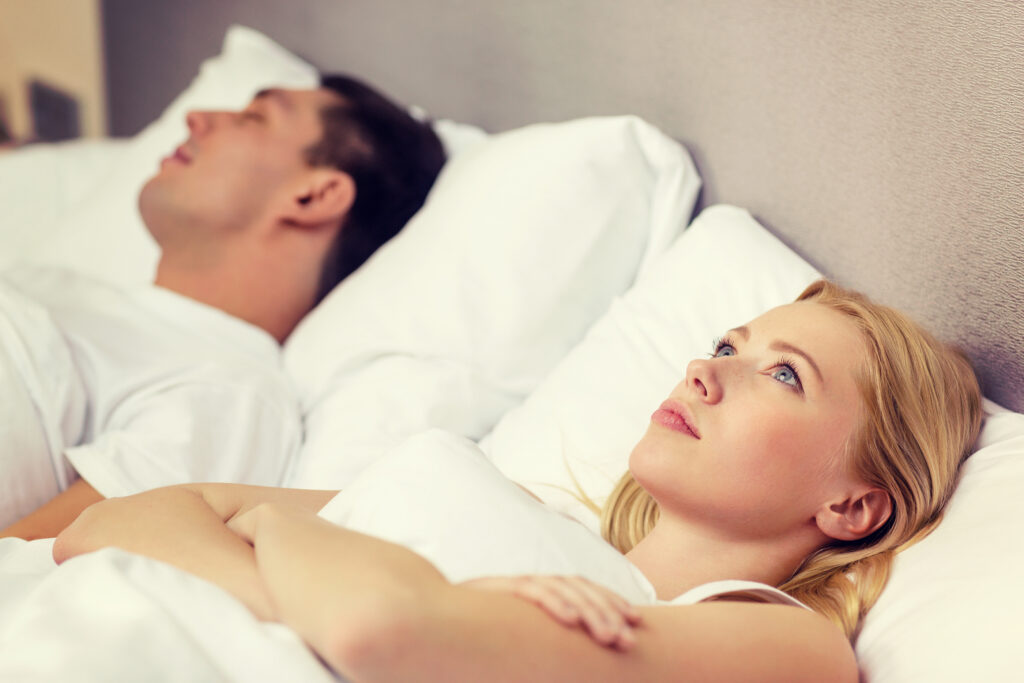
Low libido is often dismissed as a private frustration, an awkward side effect of aging, or something one must simply tolerate. It should not be. When sexual desire changes, it can affect confidence, emotional closeness, relationships, motivation, and self-perception. Equally important, it may serve as one of the body’s early signals that a deeper imbalance exists
Low libido is rarely an isolated symptom. Rather, it may indicate that the body is out of balance. Hormones help regulate desire, arousal, mood, energy, sleep, and comfort with intimacy. When key hormones shift, sex drive often shifts too. That is why low libido deserves a broader conversation, especially when accompanied by fatigue, brain fog, irritability, poor sleep, weight gain, menstrual cycle changes, or reduced stamina.1,2
At Hotze Health & Wellness Center, we have seen this pattern for decades. Many guests come to us after seeing multiple doctors (including Low T clinics), trying different medications, and still feeling like no one has truly connected the dots. We treat the whole body, not isolated symptoms. Symptoms can seem unrelated, but they often stem from the same root cause. We put the pieces together, zoom out, and discover the root cause, which often comes down to a hormone imbalance, if libido is involved. When libido changes, the question is not just, “How do I increase sex drive?” The better question is, “What changed in my body, and why?”
What Low Libido Can Look Like
Hormone imbalance is the main cause of low libido, but it does not look exactly the same for everyone. Men and women may describe it differently, yet the broader pattern often overlaps. Some people still want closeness, but their body no longer responds the same way. Others feel flat, disconnected, or too exhausted to think about intimacy at all.
Low libido may show up as:
- less interest in sex
- fewer sexual thoughts
- less initiation
- reduced arousal
- less satisfaction
- vaginal dryness
- pain with intercourse
- erectile changes
- feeling emotionally checked out
- less motivation for intimacy
It may also show up with other symptoms that seem unrelated at first. However, that wider pattern often matters more than any single complaint. When desire drops alongside fatigue, irritability, brain fog, sleep disruption, or cycle changes, it makes sense to ask whether hormone balance has shifted too.1,4
The 6 Hormones to Check When Sex Drive Changes
When sex drive changes, a smart evaluation looks wider than one lab value. That is because desire is shaped by several hormones at once.
| Hormone | Why it matters | Other clues that may appear |
| Testosterone | Supports sexual desire, arousal, vitality, and drive | Low energy, lower motivation, reduced confidence |
| Estrogen | Supports lubrication, vaginal comfort, and sexual responsiveness | Dryness, hot flashes, night sweats |
| Progesterone | Supports sleep quality, emotional calmness, and hormonal rhythm. | Lighter sleep, irritability, cycle changes |
| Thyroid hormones | Help regulate metabolism, energy, and mental clarity | Fatigue, brain fog, constipation, weight changes |
| Cortisol | Reflects the body’s stress response and can suppress desire when chronically elevated. | Feeling wired and tired, overwhelm, poor sleep |
| DHEA | Serves as a precursor to testosterone and estrogen, reflecting adrenal function and reserve. | Low stamina, lower stress resilience, reduced vitality |
This is why a root-cause review matters. Low libido is rarely about one hormone in isolation. Instead, it often reflects the way several systems are interacting at the same time.1,3
1) Testosterone and Libido in Men and Women
Testosterone is one of the first hormones worth checking when sex drive drops.
Symptoms of testosterone deficiency in men can include:
- Reduced libido
- Erectile dysfunction
- Low energy
- Depressed mood
- Reduced vitality
In the right clinical setting, low libido is one reason providers may evaluate testosterone status.
However, testosterone is not only important for men. Women produce testosterone too, although in much smaller amounts.
Common clues that may appear when testosterone is low in women include:
- Reduced sexual desire
- Decreased interest in intimacy
- Reduced arousal
- Fewer sexual thoughts
- Lower energy levels
- Diminished motivation
- Reduced stamina
- Feeling less vibrant or unlike oneself
Even so, testosterone is rarely the whole story. A man can have low libido and also struggle with thyroid issues, poor sleep, or chronic stress. Likewise, a woman can have low testosterone and also be dealing with vaginal dryness, hot flashes, or adrenal strain. Therefore, a thorough evaluation matters more than a one-size-fits-all answer.
2) Estrogen and Libido
Estrogen is one of the most important hormones to consider when libido changes, especially for women in perimenopause and menopause. As estrogen levels decline, many women experience reduced lubrication, increased vaginal dryness, and greater discomfort during intercourse. When intimacy becomes uncomfortable, desire often drops as well. At the same time, estrogen shifts can contribute to hot flashes and night sweats, which may disrupt sleep and leave women feeling worn down the next day. 3,4
That is why estrogen and libido are so closely connected. In many cases, the change in sex drive is not happening by itself. It is happening alongside changes in comfort, sleep, mood, and energy. A woman may not think of those symptoms as part of the same issue at first. However, when they begin to show up together, they can point toward a broader hormone imbalance rather than an isolated drop in desire.3,4
Common clues that may appear with estrogen-related libido changes include:
- vaginal dryness
- less lubrication
- discomfort with intercourse
- hot flashes
- night sweats
- lighter sleep
- lower energy
- reduced sexual interest
3) Progesterone and Libido
Progesterone usually is not the only hormone behind low libido, but it still matters. Hormones rarely shift one at a time. Estrogen, progesterone, and testosterone can all change through the menstrual cycle, perimenopause, menopause, and after surgeries such as hysterectomy, ovary removal, or other surgeries involving the female reproductive organs. When both ovaries are removed, hormone levels can change abruptly because surgical menopause begins right away. If the ovaries are left in place during a hysterectomy, the hormone picture may change more gradually instead.
That cluster may include:
- lighter sleep
- irritability
- mood shifts
- feeling less calm
- cycle changes
- reduced resilience
- lower desire
So, while progesterone and libido are not always a direct one-to-one equation, progesterone still belongs in a thoughtful hormone review. If sleep, mood, and overall hormone rhythm are changing alongside sex drive, it makes sense to evaluate the broader hormone pattern rather than dismissing the problem as stress or aging alone.
4) Thyroid Hormones and Low Libido
Thyroid hormones help regulate metabolism, body temperature, energy production, mood, and mental clarity. Therefore, when thyroid function is off, libido can be affected too. Thyroid dysfunction can reduce sexual desire.5
That is why thyroid and low libido should not be separated. If someone feels exhausted, mentally dull, less motivated, and less interested in intimacy, the thyroid deserves attention. Common clues that may appear with thyroid-related low libido include:
- fatigue
- brain fog
- weight gain
- constipation
- dry skin
- feeling cold
- low motivation
- lower sex drive
In other words, sex drive may fall because vitality has fallen. When the body feels slow, depleted, or foggy, intimacy often becomes one more area that suffers.5
5) Cortisol and Libido
Cortisol is the body’s main stress hormone, and it matters more than many people realize. Chronic stress can affect focus, sleep, emotional presence, arousal, and sexual desire. Research has linked higher stress with lower arousal, more distraction, and lower sexual desire. Therefore, cortisol and libido are often part of the same conversation.6
This helps explain why some people still care about their spouse and still value intimacy, yet feel too tired, too overwhelmed, or too mentally scattered to respond the same way. Common clues include:
- poor sleep
- feeling wired and tired
- overwhelm
- lower stress tolerance
- lower motivation
- reduced desire
- feeling emotionally flat
So, when libido drops during a season of high stress, the answer may not be to push through. Instead, it may be wise to ask how stress physiology is affecting the whole body.6
6) DHEA and Libido
DHEA belongs in the libido conversation because it helps support the body’s hormone-building pathway. It serves as a precursor to both testosterone and estrogen, and it is produced primarily by the adrenal glands. Because of that, DHEA can help connect the dots between adrenal function, stress resilience, vitality, and sexual interest.7
When DHEA is low, some women and men may feel less resilient, less energized, less motivated, and less interested in intimacy. In that setting, libido may not feel like the only thing that changed. Instead, it may feel like your overall spark has faded. That is one reason DHEA deserves attention in a broader hormone evaluation, especially when low sex drive appears alongside fatigue, stress overload, and reduced stamina. This is also why DHEA is often discussed as part of the bigger adrenal and hormone balance picture rather than as a stand-alone.
Common clues that may appear when DHEA is low include:
- low stamina
- feeling run down
- lower stress resilience
- reduced vitality
- lower motivation
- lower interest in intimacy
Other Symptoms That May Travel With Low Libido
Low libido appears with several other symptoms at once. That pattern matters. It often points to a wider issue rather than a stand-alone sexual complaint.
Watch for symptoms such as:
- low energy
- brain fog
- poor sleep
- irritability
- mood swings
- vaginal dryness
- hot flashes
- night sweats
- irregular periods
- lower exercise tolerance
- erectile changes
- reduced motivation
- weight changes
Symptoms alone do not diagnose the cause. However, they help reveal the pattern. That is why listening closely to symptoms still matters, even when lab work is part of the plan.1,5
Why a Root-Cause Evaluation Matters
At Hotze Health & Wellness Center, we have spent more than 35 years helping guests uncover the root causes of symptoms that other providers often overlook. Many of the men and women who come to us are tired, discouraged, and frustrated. They have often seen multiple doctors. They have often been told their lab work looks normal. They have often started to wonder whether they simply have to live this way.
We do not believe you should have to settle for that.
How are we different than many medical providers? We listen to your symptoms. We listen to your story. We listen to the details that other providers may rush past. Then we look at the whole picture, including your hormones, thyroid function, adrenal health, energy, sleep, stress load, and life stage.
That whole-body view matters. Low libido is rarely just about sex. More often, it is part of a larger pattern that can include fatigue, brain fog, poor sleep, mood changes, irritability, low motivation, weight changes, and a loss of vitality. When you treat only one symptom, you miss the bigger story. However, when you understand what is driving the imbalance, everything starts to make more sense.
God created the human body with intricate precision. Over time, our bodies lose hormones that once supported energy, mood, sleep, and sexual desire. When that happens, the answer is not to mask the symptoms with pharmaceutical drugs. The better answer is to understand what your body needs and replenish what has been depleted using bioidentical hormones, hormones that the body recognizes as identical to the ones it already makes.
We also focus on more than symptom relief alone. We care about prevention. We care about healthspan. We care about helping you feel strong, clear, engaged, and fully present in your life. That is why people come to us from across the nation and around the world. They want more than a quick fix. They want answers. They want a plan. Most of all, they want hope.
The Bottom Line on Low Libido
Low libido can touch far more than intimacy. It can affect confidence, connection, emotional closeness, marriage, motivation, and the way you feel about yourself. When desire fades, many people start to feel disconnected not only from their spouse, but from their own sense of vitality. That is why this symptom deserves to be taken seriously.
The good news is that low libido is often a clue, not a dead end.
When sex drive changes, your body may be signaling that testosterone, estrogen, progesterone, thyroid hormones, cortisol, DHEA, or several of them at once are out of balance. It may also be showing you that sleep, stress, adrenal function, and overall energy need attention. In other words, this is not just about libido. It is about whether your body is functioning the way God designed it to.
That is where a root-cause, integrative approach can be life-changing.
At Hotze Health & Wellness Center, we have seen what can happen when people finally get real answers. We have seen men and women regain energy, renewed interest in intimacy, better sleep, greater emotional stability, stronger marriages, and a deeper sense of well-being. We have seen people go from feeling flat and discouraged to feeling hopeful again. When the body gets the support it truly needs, life can look very different.
You do not have to accept feeling like a dimmer version of yourself.
If low libido has been brushed aside, ignored, or treated like something you should just live with, let this be your reminder that your symptoms matter. Your story matters. Your quality of life matters.
Take our Symptom Checker and start connecting the dots. The first step toward getting your life back may be understanding why your body has been asking for help in the first place.
If you’re ready to take your life back, schedule a free Wellness Consultation HERE or call 281-698-8698. It’s a pressure-free conversation where you can ask questions, share your concerns, and discover whether our natural, root-cause approach is the right fit for you. It would be our privilege to serve you.
References
- Bhasin, Shalender, et al. “Testosterone Therapy in Men With Hypogonadism: An Endocrine Society Clinical Practice Guideline.” The Journal of Clinical Endocrinology & Metabolism, vol. 103, no. 5, 2018, pp. 1715-1744.
- Parish, Sharon J., et al. “International Society for the Study of Women’s Sexual Health Clinical Practice Guideline for the Use of Systemic Testosterone for Hypoactive Sexual Desire Disorder in Women.” The Journal of Sexual Medicine, vol. 18, no. 5, 2021, pp. 849-867.
- The Menopause Society. “Sexual Health.” 2026.
- American College of Obstetricians and Gynecologists. “Female Sexual Dysfunction.” Obstetrics & Gynecology, vol. 134, no. 1, 2019, e1-e18.
- Gabrielson, Andrew T., Rita A. Sartor, and Wayne J. G. Hellstrom. “The Impact of Thyroid Disease on Sexual Dysfunction in Men and Women.” Sexual Medicine Reviews, vol. 7, no. 1, 2019, pp. 57-70.
- Hamilton, Lisa Dawn, and Cindy M. Meston. “Chronic Stress and Sexual Function in Women.” The Journal of Sexual Medicine, vol. 10, no. 10, 2013, pp. 2443-2454.
- Elraiyah, Tarig, et al. “The Benefits and Harms of Systemic Dehydroepiandrosterone in Postmenopausal Women With Normal Adrenal Function: A Systematic Review and Meta-analysis.” The Journal of Clinical Endocrinology & Metabolism, vol. 99, no. 10, 2014, pp. 3536-3542.
Contact Us
"*" indicates required fields
Recent Posts
Categories
- ADD/ADHD
- Adrenal Fatigue
- Adult Acne
- Aesthetics
- Allergies
- Anti-Aging
- Antidepressants
- Anxiety
- Arthritis
- Artificial Sweeteners
- Asthma
- autoimmune disease
- BBL
- BHRT
- Bioidentical Hormone Replacement Therapy
- blood pressure
- Brain Fog
- brain health
- Breast Cancer Awareness
- breast health
- Candida
- children
- Cholesterol
- constipation
- Crohn's Disease
- dental health
- Depression
- detox
- Estrogen
- Facials
- Fatigue
- Fatty Liver Disease
- Fatty Liver Program
- Fibromyalgia
- Gluten
- Gut Health
- Hair
- Halo
- Hashimoto's
- Health and Wellness
- healthspan
- Healthy Living
- Healthy Recipes
- Heart Health
- Hot Flashes
- Hypothyroidism
- Hysterectomy
- IASIS Neurofeedback
- Immune System
- Infertility
- intermittent fasting
- Joint Pain
- Keto Diet
- Longevity
- Low Libido
- Men's Health
- Menopause
- Menstrual Cycle
- Migraine Headaches
- miscarriage
- mold exposure
- Mood Swings
- No Energy/Fatigue
- Nutrition
- obesity
- Osteoporosis
- perimenopause
- Postpartum Depression
- Progesterone
- Rapamycin
- Sirolimus
- skin care
- Skin Health
- sleep
- Stress
- Sugar Detox
- Teen Acne
- Teen Health
- Testosterone
- Tips for Healthy Eating
- Tubal Ligation
- Type 2 Diabetes
- uterine fibroids
- Vitamin D
Join
Sign-up for our Newsletter Join our REWARDS PROGRAM Today!Info

Holistic, functional medicine doctors in Houston, Texas specializing in bioidentical hormones, hypothyroidism, adrenal fatigue, menopause, perimenopause, low testosterone, allergies and LDI treatment, candida, detoxification, nutritional deficiencies, longevity and aesthetics.
Quicklinks
About Us
Media
HOTZE Links
Current Guests
Services
Treatments

© Braidwood Management, Inc. All Rights Reserved. The information on this website is provided for educational purposes only, and does not constitute any medical advice. By using this website you fully waive all legal claims based on any information contained herein, and fully agree to this disclaimer.
20214 Braidwood Dr., Houston, TX 77450
Copyright © 2026 Hotze Health & Wellness Center. All rights reserved.
Leave a Reply