
- Home
- Symptom Checker
-
Services
Allergy
Diagnostics
Aesthetics
Hormone Balancing
Gut Health / Nutrition
- Blog
- Podcasts
- Resources
-
About Us
About Us
- Contact Us
July 5, 2017
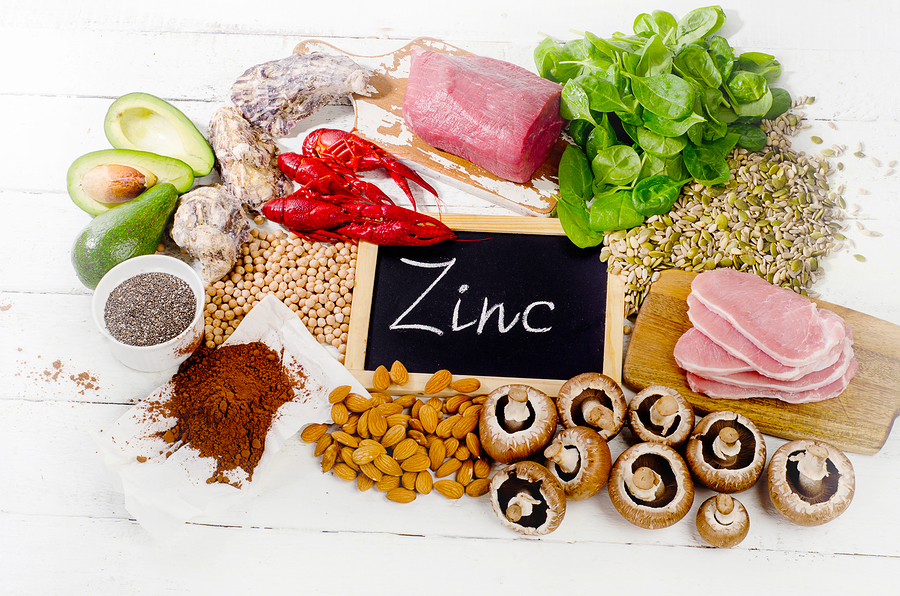
Did you know that what you eat affects the testosterone levels in your body? A variety of different testosterone-boosting foods help combat low T, and just eating a healthier diet in general will start turning the tide on T levels. In fact, medical studies show a link between low zinc levels and low testosterone levels.
Let’s explore the relationship between testosterone and zinc, and take a look at the foods that increase and decrease your testosterone levels.
Zinc is an essential dietary mineral. It is key to a number of bodily functions, including our immune system and protein production. People with low zinc levels experience low levels of testosterone, as well. Supplementing with zinc can help increase production of testosterone and is necessary for protein synthesis. Since our bodies do not store zinc, it is essential that you take it every day to maintain your health and testosterone levels.
Shellfish
Oysters
Lamb
Pumpkin Seeds
Grass-Fed Beef
Pork
Nuts
Chicken
Yogurt
Oatmeal
Chickpeas, Kidney Beans, White Beans
Spinach
Nuts – Cashews, Almonds, Pistachios
Garlic helps boost testosterone when combined with a high protein diet because it improves protein absorption. Garlic contains the chemical diallyl disulfide, which stimulates the body to release a hormone that spurs the production of testosterone.
On the other hand, there are also foods that have the opposite effect of testosterone-boosting foods. Avoid these foods and substances to keep you T levels high.
Flaxseed products – These foods are filled to the brim with lignans, which are full of estrogen. Recent research shows lignans reduce total and free T levels. Lignans also have an enzyme that impedes libido. Men who are not producing enough of this enzyme do not perform as well sexually and also feel a decrease in desire for sexual activity.
Licorice – The main component in this sweet candy is glycyrrhizic acid. This compound is adept at blocking testosterone production and ultimately lowering T levels if consumed regularly.
Sugar – Sugar reduces levels of circulating testosterone in the blood.
Alcohol – This substance has an interesting effect on T levels. Large amounts of consumption will not only lower T levels, but also shrink the size of testicles. However, small amounts of alcohol have been shown to increase T levels. Dosage is key when it comes to alcohol. Drink in moderation and your T levels will be fine.
Every aspect of our health is affected in some way by the things that we eat and drink. Men with low T should try foods that are rich in zinc as part of their treatment to combat this condition. Take our symptom checker quiz today to find out if you have low testosterone.
Related Content:
2 Common Causes of Depression in Men
Bioidentical Testosterone for Low Libido in Men
The Diabetes-Hypothyroidism Connection
"*" indicates required fields

Holistic, functional medicine doctors in Houston, Texas specializing in bioidentical hormones, hypothyroidism, adrenal fatigue, menopause, perimenopause, low testosterone, allergies and LDI treatment, candida, detoxification, nutritional deficiencies, longevity and aesthetics.

© Braidwood Management, Inc. All Rights Reserved. The information on this website is provided for educational purposes only, and does not constitute any medical advice. By using this website you fully waive all legal claims based on any information contained herein, and fully agree to this disclaimer.
20214 Braidwood Dr., Houston, TX 77450
Copyright © 2026 Hotze Health & Wellness Center. All rights reserved.
Leave a Reply