
The Importance of Sleep Hygiene: Why Sleep is Essential for Good Health
February 7, 2025
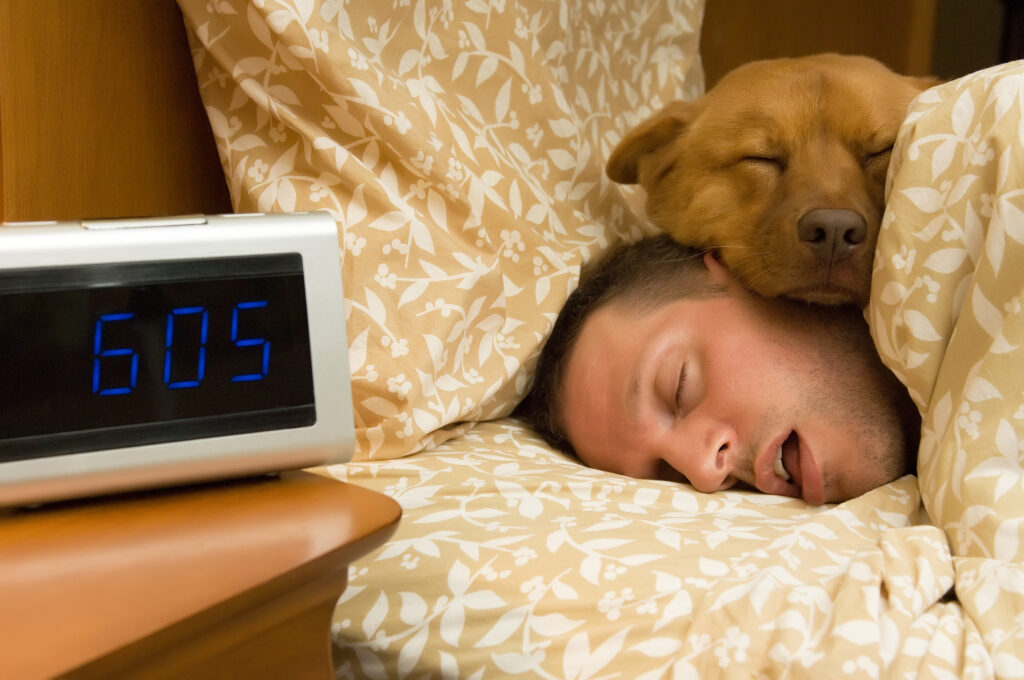
In our fast-paced modern world, sleep often takes a backseat to the demands of daily life. However, prioritizing quality sleep is essential for maintaining optimal health and well-being. Understanding the importance of sleep and implementing effective sleep hygiene practices can lead to significant improvements in both physical and mental health.
The Vital Role of Sleep in Health
Hormonal imbalances, including thyroid dysfunction, can be a major cause of poor sleep quality. When thyroid hormones are too high or too low, they can disrupt the body’s ability to regulate temperature, energy levels, and metabolism, leading to insomnia or excessive sleepiness. Sleep plays a vital role in regulating cortisol, the stress hormone, as well as melatonin, which controls sleep-wake cycles. Poor sleep quality can contribute to fluctuations in insulin and growth hormones, further influencing weight gain and metabolic health.
Sleep is a fundamental biological process that allows the body and mind to rest, repair, and rejuvenate. Adequate sleep supports various bodily functions, including immune response, metabolism, memory consolidation, and emotional regulation. Chronic sleep deprivation can lead to a host of health issues, such as obesity, diabetes, cardiovascular disease, and even early mortality¹.
How long can a human stay awake? The world record for the longest time without sleep was set by a man named Robert McDonald, who stayed awake for 18 days, 21 hours, and 40 minutes. He had extreme effects during his record attempt including vomiting, hallucinations, altered perception, and diminished memory. Some who have attempted breaking records for prolonged wakefulness have suffered lasting effects, including persistent hallucinations and chronic insomnia. The consequences of extreme sleep deprivation are so severe that The Guinness Book of World Records no longer acknowledges this category, even though it still recognizes feats like “Most Spears Caught from a Spear Gun Underwater in One Minute.”
Lack of sleep affects the body in progressive ways:
- 16 hours without sleep: The body begins to experience mental and physiological deterioration².
- 19 hours without sleep: Cognitive function declines to levels comparable to having a blood alcohol concentration (BAC) of 08%³.
- 24 hours without sleep: Vision and depth perception become impaired, making it difficult to distinguish objects’ shapes or sizes⁴.
- 36 hours without sleep: Emotional regulation weakens, leading to increased aggression, confusion, hallucinations, and micro-sleeps—brief, involuntary episodes of sleep that can occur without the person realizing it⁵.
- 48 hours without sleep: The body enters a state of extreme fatigue, and symptoms like double vision, depersonalization, and prolonged hallucinations become more apparent⁶.
Consequences of Sleep Deprivation
The effects of insufficient sleep are far-reaching. Cognitively, sleep deprivation impairs attention, alertness, concentration, reasoning, and problem-solving skills, making it challenging to learn efficiently⁷. Emotionally, it can lead to mood swings, increased irritability, and heightened stress sensitivity⁸. Physically, a lack of sleep is associated with serious health problems, including:
- Weakened Immune System: Sleep deprivation can lead to persistent low-grade inflammation and immunodeficiency, increasing susceptibility to infections⁹.
- Weight Gain: Insufficient sleep disrupts the balance of hormones that control hunger, leading to increased appetite, and potential weight gain¹⁰.
- Increased Risk of Diabetes: Chronic sleep deprivation affects how the body processes glucose, increasing the risk of type 2 diabetes¹¹.
- Cardiovascular Issues: Long-term sleep deprivation can lead to high blood pressure, heart disease, and stroke¹².
Understanding Sleep Hygiene
Sleep hygiene refers to a set of practices and habits that promote consistent, uninterrupted sleep. By incorporating good sleep hygiene into your daily routine, you can enhance the quality and duration of your sleep, thereby improving overall health.
Key Sleep Hygiene Practices
- Maintain a Consistent Sleep Schedule: Go to bed and wake up at the same time every day, even on weekends. This regularity reinforces your body’s sleep-wake cycle¹³.
- Create a Restful Environment: Ensure your bedroom is conducive to sleep by keeping it cool, dark, and quiet. Consider using earplugs, eye masks, or white noise machines to minimize disturbances¹⁴.
- Be Mindful of Food and Drink: Avoid large meals, caffeine, and alcohol close to bedtime. While alcohol might make you feel sleepy initially, it can disrupt sleep later in the night¹⁵.
- Limit Screen Time Before Bed: Exposure to blue light from phones, tablets, and computers can interfere with melatonin production, making it harder to fall asleep. Aim to turn off electronic devices at least 30 minutes before bedtime¹⁶.
- Incorporate Relaxation Techniques: Engage in calming activities before bed, such as reading, gentle stretching, or meditation, to signal to your body that it’s time to wind down¹⁷.
- Exercise Regularly: Regular physical activity can promote better sleep. However, avoid vigorous exercise close to bedtime, as it may have a stimulating effect¹⁸.
- Manage Stress: Chronic stress can interfere with sleep. Techniques such as deep breathing, prayer, and journaling can help manage stress levels and promote restful sleep¹⁹.
The Impact of Sleep Hygiene on Daily Life
Implementing good sleep hygiene can lead to noticeable improvements in daily functioning. Individuals often experience enhanced mood, increased energy levels, better cognitive performance, and a strengthened immune system. Over time, these benefits contribute to a higher quality of life and reduced risk of chronic health conditions.
Prioritizing Sleep for a Healthier Life
Prioritizing sleep is not a luxury but a necessity for good health. By understanding the critical role sleep plays and adopting effective sleep hygiene practices, you can pave the way for a healthier, more fulfilling life. Remember, it’s not just about the quantity of sleep but the quality that truly matters.
If you’re ready to address your sleep and overall wellness, the experts at the Hotze Health & Wellness Center are here for you. Our team will guide you through a personalized plan to help you feel your best. Don’t wait! Contact us today at 281-698-8698 or CLICK to schedule a free consultation with one of our Wellness Consultants.
References
- “Sleep and Health Education Program.” Harvard Medical School, sleep.hms.harvard.edu/education-training/public-education/sleep-and-health-education-program/sleep-health-education-
- “Effects of Sleep Deprivation.” Better Health Channel, www.betterhealth.vic.gov.au/health/conditionsandtreatments/sleep-deprivation.
- “Cognitive Impairment from Sleep Loss.” Healthline, www.healthline.com/health/sleep-deprivation/effects-on-body.
- “Vision and Depth Perception Impairment from Lack of Sleep.” National Sleep Foundation, www.sleepfoundation.org.
- “Emotional Regulation and Sleep Deprivation.” Cleveland Clinic, my.clevelandclinic.org/health/diseases/23970-sleep-deprivation.
- “Hallucinations and Sleep Deprivation.” American Academy of Sleep Medicine, www.aasm.org.
- “Cognitive Decline and Sleep.” Mayo Clinic, www.mayoclinic.org/diseases-conditions/insomnia/expert-answers/lack-of-sleep/faq-20057757.
- “Mood Swings and Sleep.” National Institutes of Health, www.ncbi.nlm.nih.gov/pmc/articles/PMC5991902/.
- “Immune System and Sleep.” Harvard T.H. Chan School of Public Health, www.hsph.harvard.edu/news/hsph-in-the-news/.
- “Hormonal Balance and Sleep.” NHS, www.nhs.uk/every-mind-matters/.
- “Diabetes and Sleep Deprivation.” National Sleep Foundation, www.sleepfoundation.org/diabetes.
- “Heart Disease and Sleep.” American Heart Association, www.heart.org/en/news/2023/03/02/lack-of-sleep-can-raise-risk-of-heart-disease-and-stroke.
- “Healthy Sleep Habits.” Mayo Clinic, www.mayoclinic.org/healthy-lifestyle/adult-health/in-depth/sleep/art-20048379.
- “Creating the Ideal Sleep Environment.” UC Davis Health, health.ucdavis.edu/news/headlines/.
- “Foods and Beverages That Disrupt Sleep.” National Institutes of Health, www.ncbi.nlm.nih.gov/pmc/articles/PMC5991902/.
- “Screen Time and Sleep.” Harvard T.H. Chan School of Public Health, www.hsph.harvard.edu/news/.
- “Relaxation Techniques for Sleep.” NHS, www.nhs.uk/every-mind-matters/.
- “Exercise and Sleep Quality.” American Academy of Sleep Medicine, www.aasm.org/.
- “Managing Stress for Better Sleep.” Healthline, www.healthline.com/health/sleep-hygiene.
- Vedantam, S. (2017, December 27). The haunting effects of going days without sleep. NPR. https://www.npr.org/2017/12/27/573739653/the-haunting-effects-of-going-days-without-sleep
Contact Us
"*" indicates required fields
Recent Posts
Categories
- ADD/ADHD
- Adrenal Fatigue
- Adult Acne
- Aesthetics
- Allergies
- Anti-Aging
- Antidepressants
- Anxiety
- Arthritis
- Artificial Sweeteners
- Asthma
- autoimmune disease
- BBL
- BHRT
- Bioidentical Hormone Replacement Therapy
- blood pressure
- Brain Fog
- brain health
- Breast Cancer Awareness
- breast health
- Candida
- children
- Cholesterol
- constipation
- Crohn's Disease
- dental health
- Depression
- detox
- Estrogen
- Facials
- Fatigue
- Fatty Liver Disease
- Fatty Liver Program
- Fibromyalgia
- Gluten
- Gut Health
- Hair
- Halo
- Hashimoto's
- Health and Wellness
- healthspan
- Healthy Living
- Healthy Recipes
- Heart Health
- Hot Flashes
- Hypothyroidism
- Hysterectomy
- IASIS Neurofeedback
- Immune System
- Infertility
- intermittent fasting
- Joint Pain
- Keto Diet
- Longevity
- Low Libido
- Men's Health
- Menopause
- Menstrual Cycle
- Migraine Headaches
- miscarriage
- mold exposure
- Mood Swings
- No Energy/Fatigue
- Nutrition
- obesity
- Osteoporosis
- perimenopause
- Postpartum Depression
- Progesterone
- Rapamycin
- Sirolimus
- skin care
- Skin Health
- sleep
- Stress
- Sugar Detox
- Teen Acne
- Teen Health
- Testosterone
- Tips for Healthy Eating
- Tubal Ligation
- Type 2 Diabetes
- uterine fibroids
- Vitamin D
Join
Sign-up for our Newsletter Join our REWARDS PROGRAM Today!Info

Holistic, functional medicine doctors in Houston, Texas specializing in bioidentical hormones, hypothyroidism, adrenal fatigue, menopause, perimenopause, low testosterone, allergies and LDI treatment, candida, detoxification, nutritional deficiencies, longevity and aesthetics.
Quicklinks
About Us
Media
HOTZE Links
Current Guests
Services
Treatments

© Braidwood Management, Inc. All Rights Reserved. The information on this website is provided for educational purposes only, and does not constitute any medical advice. By using this website you fully waive all legal claims based on any information contained herein, and fully agree to this disclaimer.
20214 Braidwood Dr., Houston, TX 77450
Copyright © 2026 Hotze Health & Wellness Center. All rights reserved.
Leave a Reply