
9 Practical Steps to Prep Your Home for the Body Reboot Challenge
December 15, 2025
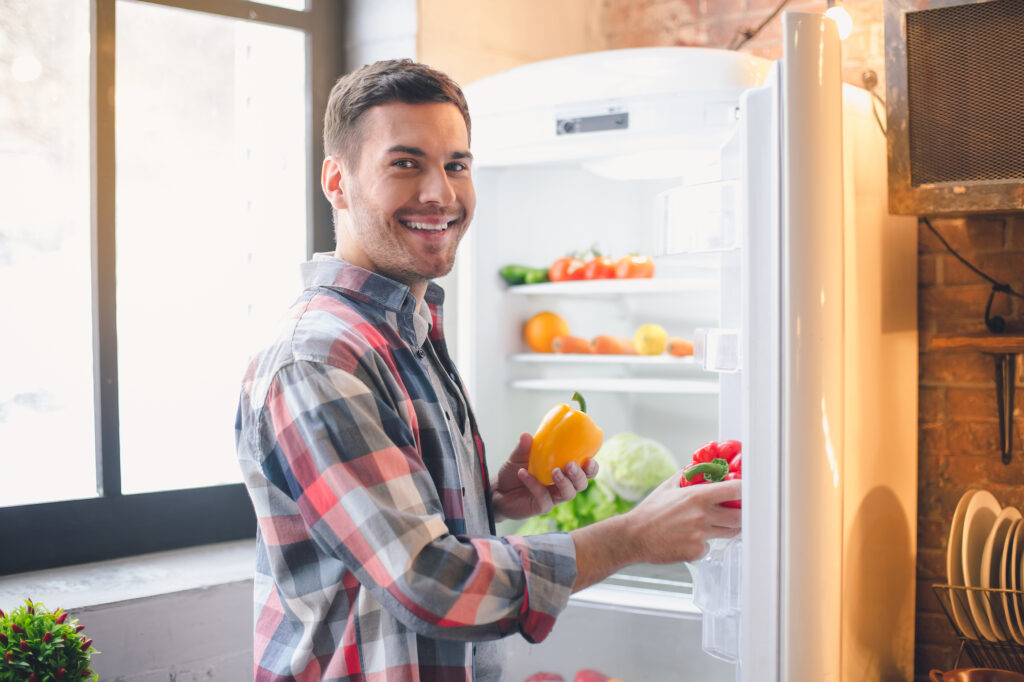
Preparing your home for a cleanse is often the missing step between good intentions and lasting habits. Many people commit to eating better, reducing sugar, or resetting habits, yet their environment quietly works against them. Cabinets stay stocked with foods, condiments, candy, and more, which are basically “triggers” for cravings and bad habits. Refrigerators remain cluttered with processed and “convenient” foods rather than healthier choices such as fresh vegetables and healthy proteins. As a result, and to no surprise, it becomes very difficult to reach the goal you set in the first place.
Prepping your home for a cleanse shifts the odds of finally achieving your health, wellness, and eating habits in your favor. Instead of relying on willpower, your surroundings support your goals. Whether you are preparing for the Body Reboot Challenge or another structured cleanse, these steps help create a supportive foundation.
At Hotze Health & Wellness Center, we have seen this pattern for decades. For over 35 years to be exact! When the home environment supports the plan, consistency improves. When it does not, motivation fades. Fortunately, practical preparation can change that outcome. We have the experience of coaching our guests (we call our patients guests) onto the right path for health and wellness. While we know it is not always easy to start and be committed, we can transparently tell you that healthy weight loss and gut health, by changing your lifestyle, not looking for a magic pill, is the way to go. Pills and what I call “the diet of the moment “can have unwanted side effects (in some cases, permanent side effects) and can push temporary fixes rather than long term.
At the Hotze Health & Wellness Center, we have seen thousands of guests who have tried it all. However, when they follow our coaching, become 100% committed, and move from the promise of a fad pill or diet, success is achieved. It’s not always easy, but it is possible because it is a choice you make. I encourage you to choose the healthy path.
Why Prepping Your Home for a Cleanse Matters
Your environment shapes your behavior more than motivation alone. Research consistently shows that food visibility and accessibility strongly influence eating choices.¹ When certain foods are easy to reach, they are eaten more often.
This is not a personal failure. It is human behavior. Healthy foods and choices can be made visible and accessible as well. Keep reading!
Prepping your home for a cleanse removes constant triggers. It also reduces decision fatigue. In order to be successful, it takes commitment, support, and structure. Instead of asking yourself what you should eat dozens of times a day, your environment already answers that question.
This matters for any cleanse. Structure outside the body supports consistency inside the body. Before we get into the steps to prepare, let’s have a quick discussion on sugar.
Why Sugar and Artificial Sweeteners Sabotage Cleanse Efforts
Understanding sugar physiology helps explain why environment matters so much.
When sugar is consumed, blood glucose rises quickly. Insulin is released to move glucose into cells. Repeated spikes strain this system and are associated with energy crashes and hunger cycles.²³ Sugar intake is also linked to inflammatory signaling and oxidative stress when consumed frequently.⁴
Sugar affects more than blood sugar. Diets high in added sugars can disrupt gut microbiota balance.⁵ The gut plays a role in digestion, immune signaling, and metabolic regulation.
Artificial sweeteners complicate the picture. Although low in calories, they still stimulate sweet taste receptors. Research suggests this can increase cravings and disrupt appetite regulation rather than improve it.⁶ Some studies also associate artificial sweeteners with changes in gut bacteria.⁷
This is why simply “cutting calories” often fails. Preparation requires understanding, not restriction.
Why Preparation Works Better Than Willpower
Cleanses fail when they rely on discipline alone. Preparation works because it removes obstacles before they appear.
When your pantry, refrigerator, and kitchen are aligned with your goals, healthier choices require less effort. Over time, this consistency supports habits that extend beyond the cleanse itself.
If you live alone, often cleanses are easier. Why? It’s simple! You do not have the added temptation of a roommate, spouse, or other family member eating the unhealthy choices you are eliminating. If you have a spouse or other friends or family members living with you, garner their support. Try doing a group cleanse or creating a group goal to eat healthier. A healthy eating lifestyle is good for everyone, for both short-term and long-term health and wellness. If it is impossible to get everyone on board with a cleanse, then this too becomes part of your preparation. Make sure everyone in the home understands what you are committed to and ensure they are supportive of your goal. Create a code word if they are tempting you or triggering a craving.
Figure out what works for you but know that a supportive environment is also key to success. Surprisingly, support and respect for making a healthy choice is often much easier to garner than you may think.
This philosophy reflects a broader view of health. At Hotze Health & Wellness Center, we focus on prevention and healthspan. As a population, we are living longer. We believe those extra years should be quality years. A healthy eating lifestyle and gut health are the first steps to living longer and living healthier.
Now that the why is clear, the physical steps can begin.
9 Practical Steps to Prep Your Home for a Cleanse
Step 1: Clear Your Pantry Completely Before the Cleanse Starts
Start with a full pantry review. This is the most impactful step.
Remove or box up items containing:
- Sugar (sucrose, glucose, fructose)
- High fructose corn syrup
- Maltose or dextrose
- Aspartame
- Saccharin, including Sweet’N Low
- Sucralose
- Sugary cereals, bars, and snack foods
- Vegetable and seed oils
- Processed foods (which often contain one or more of the above)
You do not need to throw everything away. However, these items should not remain visible or accessible during a cleanse. If you are in it for long term changes, which we highly recommend, think about donating that food or keeping it boxed up for a special occasion or a potential “cheat day” AFTER your cleanse is complete.
Removing the undesirable items takes the strain off your self-esteem, allowing for greater success.
Step 2: Replace Sugar With Better Substitutes
Removal alone creates frustration. Replacement creates sustainability.
Stock practical sugar substitutes such as:
- Allulose, which has minimal impact on blood glucose and insulin⁸
- Stevia, when used without fillers, and consumed in moderation⁹
- Erythritol, which produces a low glycemic response for most people¹⁰
- Xylitol, used sparingly due to potential digestive effects¹¹
- Look for health snacks that contain the above.
Keep these in measured amounts. The goal is support, not excess. Sweetness should complement your cleanse, not dominate it.
Step 3: Reset Your Refrigerator
After the pantry, move to the refrigerator.
Remove:
- Sweetened creamers
- Flavored yogurts
- Bottled sauces and dressings with added sugar (make your own condiments, it’s easy and much healthier)
Restock with:
- Home-Made Probiotic Yogurt – Recipe HERE
- Unsweetened nut milks (almond, coconut, cashew)
- Fresh vegetables (cucumbers, carrots, celery, zucchini)
- Hummus
- Clean protein sources (organic, grass fed and pasture raised is best if available)
- Simple condiments with minimal ingredients (make your own condiments, it’s easy and much healthier)
- Place whole foods at eye level. Research shows that visible foods are chosen more often.¹
A clean refrigerator makes better choices automatic during busy moments. Struggling to figure out what foods are favorable, which foods you should avoid or eliminate completely, or where to start. CLICK HERE for my Optimal Eating Guide and Recipe Book. It is a complete guide to help you navigate through, not just the cleanse, but healthy eating. It provides guidance on what to eat, what not to eat, how to plan your meals, prepare your shopping list, dining out tips, and most importantly, a significant number of recipes that are not only delicious but that offer many meal options to keep the cleanse exciting and satisfying!
Step 4: Create a Clean Eating Zone in Your Kitchen
Designate one area of your kitchen for cleanse-friendly tools and foods.
Include:
- Glass storage containers
- Meal prep bowls
- A blender or food processor
- Measuring tools
- A visible water bottle
This zone becomes your default during the cleanse. When everything you need is in one place, follow-through becomes easier.
Step 5: Simplify Meals Before the Cleanse Begins
Complex meals increase decision fatigue.
Practical approach:
- Choose three to four breakfast options
- Choose three to four lunch and dinner combinations
- Repeat meals during the first week
- Create a meal plan for the week or even two weeks. This makes shopping easier, and when you plan each meal, the prep becomes easy, even satisfying.
Repetition builds rhythm. Variety can return later. During a cleanse, simplicity supports consistency.
Step 6: Stock Clean Snacks Only
Most people struggle when hunger hits unexpectedly.
Stock options such as:
- Nuts and seeds
- Clean protein snacks
- Cut vegetables
- Approved cleanse snacks
Remove all other snacks from sight. Hunger should not lead to impulse decisions.
Step 7: Set Up Hydration Support
Dehydration often feels like hunger.¹²
Simple hydration setup:
- Keep filtered water easily accessible
- Use a large refillable bottle
- Add lemon, cucumber, or mint
Hydration supports appetite awareness, energy, and focus throughout the day.
Step 8: Reduce Decision Fatigue Through Organization
Decision fatigue reduces adherence.¹³
Helpful organization strategies:
- Group cleanse-approved foods together
- Label shelves if helpful
- Keep grab-and-go options visible
Fewer daily decisions lead to better consistency.
Step 9: Prepare Your Schedule, Not Just Your Kitchen
A cleanse often fails due to scheduling, not food.
Prepare by:
- Grocery shopping in advance
- Blocking time for meal prep
- Planning for social events
- Reducing unnecessary commitments during week one
When your schedule supports your goals, your kitchen efforts pay off.
Ready to Put These Steps Into Action?
These nine practical steps support any cleanse. Many guests choose to apply them through the Body Reboot Challenge, our 30-day integrative eating program grounded in decades of clinical experience at Hotze Health & Wellness Center.
Join the Body Reboot Challenge now. Click HERE to sign up for our Body Reboot Challenge.
Why Cleanse Preparation Often Fails Without Guidance
Many people attempt a cleanse on their own and struggle within the first week. In our experience, this usually has less to do with motivation and more to do with preparation gaps.
Common issues include:
- Removing foods without replacing them with a healthy choice
- Underestimating how often sugar appears in everyday items (reading labels is an educational experience)
- Starting a cleanse without adjusting schedules or routines
- Treating cleansing as a short-term fix rather than a lifestyle reset
At Hotze Health & Wellness Center, we have observed that preparation is what separates frustration from follow-through and failure from success. Guests who understand why certain foods are removed and how to set up their environment tend to feel more steady once a cleanse begins. They are less likely to feel caught off guard by cravings, fatigue, or decision overload.
This is one reason structured programs like the Body Reboot Challenge exist. They provide guardrails, education, and timing so guests are not left guessing mid-cleanse. However, even outside of a formal program, applying the preparation steps outlined in this article helps reduce common pitfalls and supports a smoother transition into better eating habits.
In short, cleansing works best when preparation comes first. When the home, schedule, and expectations are aligned, the process feels intentional rather than reactive.
Final Thoughts
Preparing your home for a cleanse is not about perfection, because we are all human. It is about intention. When you take time to clear your pantry, reset your refrigerator, organize your kitchen, and plan your schedule, you remove many of the obstacles that cause the struggle early on. These practical steps create a supportive environment that makes better choices easier to sustain. When preparation comes first, a cleanse feels less reactive and more purposeful, setting the stage for habits that can last well beyond the reset.
References
- Wansink, Brian. Mindless Eating: Why We Eat More Than We Think. Bantam Books, 2006.
- Bray, George A., et al. “Consumption of High-Fructose Corn Syrup in Beverages May Play a Role in the Epidemic of Obesity.” The American Journal of Clinical Nutrition, vol. 79, no. 4, 2004, pp. 537–543.
- Ludwig, David S. “The Glycemic Index: Physiological Mechanisms Relating to Obesity, Diabetes, and Cardiovascular Disease.” JAMA, vol. 287, no. 18, 2002, pp. 2414–2423.
- Johnson, Richard J., et al. “Potential Role of Sugar (Fructose) in the Epidemic of Metabolic Syndrome.” Clinical Journal of the American Society of Nephrology, vol. 2, no. 4, 2007, pp. 747–759.
- Thursby, Elizabeth, and Nathalie Juge. “Introduction to the Human Gut Microbiota.” Biochemical Journal, vol. 474, no. 11, 2017, pp. 1823–1836.
- Swithers, Susan E. “Artificial Sweeteners Produce the Counterintuitive Effect of Inducing Metabolic Derangements.” Trends in Endocrinology & Metabolism, vol. 24, no. 9, 2013, pp. 431–441.
- Suez, Jotham, et al. “Artificial Sweeteners Induce Glucose Intolerance by Altering the Gut Microbiota.” Nature, vol. 514, no. 7521, 2014, pp. 181–186.
- Hayashi, Noriko, et al. “Study on the Postprandial Blood Glucose Suppression Effect of D-Allulose.” Journal of Food Science, vol. 75, no. 4, 2010, pp. H137–H142.
- Anton, Stephen D., et al. “Effects of Stevia, Aspartame, and Sucrose on Food Intake, Satiety, and Postprandial Glucose and Insulin Levels.” Appetite, vol. 55, no. 1, 2010, pp. 37–43.
- Bornet, F. R. J., et al. “Glycemic Response to Erythritol and Other Polyols.” European Journal of Clinical Nutrition, vol. 50, no. 10, 1996, pp. 720–728.
- Livesey, Geoffrey. “Health Potential of Polyols as Sugar Replacers, with Emphasis on Low Glycaemic Properties.” Nutrition Research Reviews, vol. 16, no. 2, 2003, pp. 163–191.
- Popkin, Barry M., et al. “Water, Hydration, and Health.” Nutrition Reviews, vol. 68, no. 8, 2010, pp. 439–458.
- Baumeister, Roy F., et al. “Ego Depletion: Is the Active Self a Limited Resource?” Journal of Personality and Social Psychology, vol. 74, no. 5, 1998, pp. 1252–1265.
Contact Us
"*" indicates required fields
Recent Posts
Categories
- ADD/ADHD
- Adrenal Fatigue
- Adult Acne
- Aesthetics
- Allergies
- Anti-Aging
- Antidepressants
- Anxiety
- Arthritis
- Artificial Sweeteners
- Asthma
- autoimmune disease
- BBL
- BHRT
- Bioidentical Hormone Replacement Therapy
- blood pressure
- Brain Fog
- brain health
- Breast Cancer Awareness
- breast health
- Candida
- children
- Cholesterol
- constipation
- Crohn's Disease
- dental health
- Depression
- detox
- Estrogen
- Facials
- Fatigue
- Fatty Liver Disease
- Fatty Liver Program
- Fibromyalgia
- Gluten
- Gut Health
- Hair
- Halo
- Hashimoto's
- Health and Wellness
- healthspan
- Healthy Living
- Healthy Recipes
- Heart Health
- Hot Flashes
- Hypothyroidism
- Hysterectomy
- IASIS Neurofeedback
- Immune System
- Infertility
- intermittent fasting
- Joint Pain
- Keto Diet
- Longevity
- Low Libido
- Men's Health
- Menopause
- Menstrual Cycle
- Migraine Headaches
- miscarriage
- mold exposure
- Mood Swings
- No Energy/Fatigue
- Nutrition
- obesity
- Osteoporosis
- perimenopause
- Postpartum Depression
- Progesterone
- Rapamycin
- Sirolimus
- skin care
- Skin Health
- sleep
- Stress
- Sugar Detox
- Teen Acne
- Teen Health
- Testosterone
- Tips for Healthy Eating
- Tubal Ligation
- Type 2 Diabetes
- uterine fibroids
- Vitamin D
Join
Sign-up for our Newsletter Join our REWARDS PROGRAM Today!Info

Holistic, functional medicine doctors in Houston, Texas specializing in bioidentical hormones, hypothyroidism, adrenal fatigue, menopause, perimenopause, low testosterone, allergies and LDI treatment, candida, detoxification, nutritional deficiencies, longevity and aesthetics.
Quicklinks
About Us
Media
HOTZE Links
Current Guests
Services
Treatments

© Braidwood Management, Inc. All Rights Reserved. The information on this website is provided for educational purposes only, and does not constitute any medical advice. By using this website you fully waive all legal claims based on any information contained herein, and fully agree to this disclaimer.
20214 Braidwood Dr., Houston, TX 77450
Copyright © 2026 Hotze Health & Wellness Center. All rights reserved.
Leave a Reply