
A New Approach to Cognitive Decline: A Whole-Body View of Brain Health
March 31, 2026
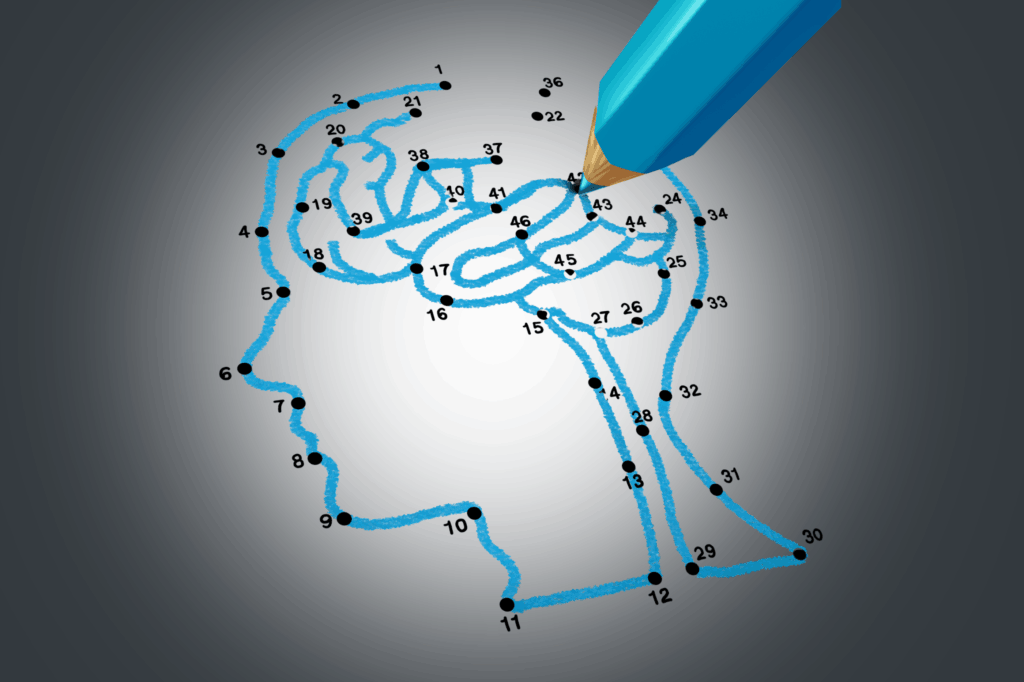
Cognitive decline does not usually come from just one cause. Instead, it often develops from several factors working together over time. These may include genetics, lifestyle habits, metabolic health, vascular health, sensory changes, sleep quality, and other whole-body influences.1,2 Because of that, prevention requires more than a single test or a narrow focus on one symptom.
At Hotze Health & Wellness Center, we place brain health within the larger framework of longevity and healthspan. Healthspan means living longer with mental clarity, physical strength, independence, and purpose. Our longevity and cognitive programs reflect that goal. They focus on prevention, early intervention, and personalized care for adults.
This matters because cognitive changes often begin subtly. Brain fog, mild forgetfulness, lower energy, reduced focus, or occasional memory lapses may build over time before anyone pays close attention. However, many risk factors can be addressed long before a formal diagnosis. That is why a thoughtful prevention strategy should begin early, look deeper, and consider the whole person.1,3
Why a Broader View Matters
For many years, people were told that memory loss was simply part of aging. That way of thinking left many with little hope. Today, research supports a broader and more practical view. Cognitive decline and related conditions develop through age-related brain changes combined with genetic, environmental, lifestyle, and health-related factors. While some risks cannot be changed, such as age or family history, many others can be managed.1,2
The 2024 Lancet Commission highlighted that a substantial share of later-life cognitive decline may be preventable or delayed by addressing modifiable risk factors across life.5 That means prevention is not just about reacting after decline becomes obvious. Instead, it is about reducing the everyday pressures that may affect the brain over time.3,5
This perspective fits naturally with our longevity philosophy. We do not believe the goal is simply to respond once a problem becomes severe. Rather, we aim to protect cognitive function, preserve independence, and support many years of quality living. Brain health should be part of an ongoing conversation about vitality, not something saved for a later crisis.
Why Acting Early Matters
At Hotze Health & Wellness Center, we believe cognitive decline should be addressed early, not after it has significantly progressed. Prevention matters, and early clinical symptoms should not be ignored. That is especially true for those with a family history of cognitive decline or for those beginning to notice subtle shifts in memory, focus, or mental clarity.1,3
Our providers take an alternative and integrative approach to prevention, mild cognitive decline, and moderate cognitive decline. Rather than waiting for symptoms to get worse, we believe in looking deeper, asking better questions, and evaluating the whole person. That approach reflects our long-standing mission to get to the root cause of clinical symptoms instead of masking them with pharmaceutical drugs that may bring added side effects. In the area of cognitive decline, it is especially important to study the evidence carefully and understand all available options.
Research strongly supports prevention and risk reduction. In addition, mild cognitive impairment does not follow the same course in every person. Some individuals remain stable, and some return to normal cognition, depending on what is driving the decline and whether those contributors are addressed early.3,5 That is one reason it is so important to work with medical professionals who are willing to partner with you, search for root causes, and build a personalized plan.
The brain does not function in isolation. Cognitive health is closely tied to metabolic health, circulation, inflammation, hormones, nutrient status, sleep, and overall resilience.1,2 For that reason, a whole-body perspective matters when thinking about cognitive decline and long-term brain health.
Root Causes Matter
Because cognitive decline involves more than one influence, prevention should address more than one area. For example, one person may have blood sugar imbalance and poor sleep. Another may have hormone changes, low energy, hearing loss, and reduced activity. If you examine only one factor, you may miss the larger pattern.
Think of it like a roof with several leaks. Fixing one hole while ignoring the others still allows damage to continue. The same idea applies to brain health. A complete prevention plan looks for the main stressors, then builds steps to address them. That is why root-cause thinking matters so much in protecting cognitive health.
Common Root Causes Linked to Brain Health
| Root-Cause Area | What It May Include | Why It Matters |
| Metabolic health | Blood sugar instability, insulin resistance, obesity | Metabolic dysfunction is associated with a higher risk of cognitive decline.3,5 |
| Vascular health | High blood pressure, poor circulation, stroke risk | Vascular strain may reduce healthy blood flow to the brain.3 |
| Sensory health | Hearing loss, reduced sensory input | Hearing loss is now recognized as an important risk factor in long-term cognitive health.3,5 |
| Lifestyle burden | Physical inactivity, smoking, excess alcohol | These habits are associated with greater cognitive strain over time.3,5 |
| Sleep and recovery | Poor sleep quality, inconsistent restoration | Sleep plays an important role in long-term brain health.1,2 |
| Whole-body aging patterns | Inflammation, hormone changes, cellular aging | Brain health is closely tied to overall healthspan.1,2 |
Seven Practical Keys to a Better Prevention Strategy
1. Start early
Do not wait until symptoms become severe. Subtle changes in memory, focus, energy, or mental clarity deserve attention. The earlier you look into them, the more opportunities you have to support brain health.1,3
2. Look at the whole body
The brain does not function on its own. Blood vessels, hormones, metabolism, sleep, inflammation, and nutrition all influence cognitive health. A broader evaluation helps connect those systems.1,2
3. Support metabolic health
Stable blood sugar and healthy insulin function matter for more than weight or energy. They also support long-term brain function.1,2
4. Protect circulation
Healthy blood pressure and healthy circulation help support blood flow to the brain. Over time, that can make a meaningful difference.3
5. Pay attention to hearing and sensory function
Sensory loss can place extra strain on the brain. It may also reduce engagement and increase the effort required for everyday thinking.3,5
6. Build daily habits that protect the brain
Regular movement, not smoking, limiting alcohol, and other healthy habits can support cognitive health over time. Small daily choices matter.3,5
7. Personalize the plan
Each person has a different history, different symptoms, and different contributing factors. That is why detailed evaluation, comprehensive bloodwork, and targeted testing are so important.
How This Fits Our Longevity Philosophy
At Hotze Health & Wellness Center, we focus on uncovering root causes through integrative approaches. Many guests come to us after seeing several providers without clear answers.
We listen carefully to clinical symptoms and combine that information with comprehensive bloodwork. We also check hormones, because hormone balance can play an important role in how a person thinks, feels, and functions. In addition, we understand that standard lab ranges do not always explain very real clinical symptoms. That is one reason our longevity and cognitive support programs take a broader view.
Our bodies are not lacking pharmaceutical drugs. Rather, our bodies naturally deplete necessary hormones over time. When that happens, the answer may be thoughtful replenishment. At Hotze Health & Wellness Center, when hormone replenishment is needed, we believe in bioidentical rather than synthetic replacement.
Our programs may also include targeted nutrition, vitamin and mineral supplementation, exercise strategies, compounded medications, and other integrative therapies based on each guest’s needs. Because we are not limited by insurance company rules, we have more freedom to individualize care and look deeper into underlying causes.
This whole-body view recognizes that cognitive concerns rarely happen in isolation. By supporting systemic balance, we work toward prevention, improved vitality, and better healthspan.
Who May Benefit from This Approach?
This proactive strategy may be worth considering if you have noticed:
- Memory changes
- Brain fog
- Difficulty concentrating
- Inconsistent mental clarity
- Lower energy
- Other early cognitive shifts
It may also be a smart next step if you have:
- A family history of cognitive decline
- High blood pressure
- Metabolic concerns
- A history of smoking
- Low physical activity
- Hearing or sensory changes
These signs are not a reason to panic. However, they are a reason to pay attention and take action.
This conversation is not only for older adults. Our programs welcome adults from their 30s onward. Earlier attention gives you more opportunity to protect future vitality.
Many of our guests come from across the country and around the world after feeling that their care has been incomplete or too fragmented elsewhere. We provide a setting where concerns can be evaluated more thoroughly and where care can be tailored to the individual.
Final Thoughts
A better approach to cognitive decline is broader, earlier, and more personal. It looks beyond isolated symptoms and considers the whole body, including the many factors that may influence long-term cognitive health. Most importantly, it focuses on prevention, healthspan, and helping you stay mentally sharp, strong, and engaged for years to come.
If you are concerned about memory, focus, brain fog, or changes in your cognitive health, schedule your complimentary phone consultation HERE or call 281-698-8698. It would be our privilege to serve you.
References
- National Institute on Aging. “Cognitive Health and Older Adults.” U.S. Department of Health and Human Services, 11 June 2024.
- National Institute on Aging. “Brain Health.” U.S. Department of Health and Human Services.
- Centers for Disease Control and Prevention. “Reducing Risk for Dementia.” CDC, 27 Aug. 2024.
- World Health Organization. Risk Reduction of Cognitive Decline and Dementia: WHO Guidelines. World Health Organization, 2019.
- Livingston, Gill, et al. “Dementia Prevention, Intervention, and Care: 2024 Report of the Lancet Standing Commission.” The Lancet, 2024.
- Omura, John D., et al. “Modifiable Risk Factors for Alzheimer Disease and Related Dementias Among Adults Aged ≥45 Years, United States, 2019.” Morbidity and Mortality Weekly Report, vol. 71, no. 20, 2022, pp. 680–686.
Contact Us
"*" indicates required fields
Recent Posts
Categories
- ADD/ADHD
- Adrenal Fatigue
- Adult Acne
- Aesthetics
- Allergies
- Anti-Aging
- Antidepressants
- Anxiety
- Arthritis
- Artificial Sweeteners
- Asthma
- autoimmune disease
- BBL
- BHRT
- Bioidentical Hormone Replacement Therapy
- blood pressure
- Brain Fog
- brain health
- Breast Cancer Awareness
- breast health
- Candida
- children
- Cholesterol
- constipation
- Crohn's Disease
- dental health
- Depression
- detox
- Estrogen
- Facials
- Fatigue
- Fatty Liver Disease
- Fatty Liver Program
- Fibromyalgia
- Gluten
- Gut Health
- Hair
- Halo
- Hashimoto's
- Health and Wellness
- healthspan
- Healthy Living
- Healthy Recipes
- Heart Health
- Hot Flashes
- Hypothyroidism
- Hysterectomy
- IASIS Neurofeedback
- Immune System
- Infertility
- intermittent fasting
- Joint Pain
- Keto Diet
- Longevity
- Low Libido
- Men's Health
- Menopause
- Menstrual Cycle
- Migraine Headaches
- miscarriage
- mold exposure
- Mood Swings
- No Energy/Fatigue
- Nutrition
- obesity
- Osteoporosis
- perimenopause
- Postpartum Depression
- Progesterone
- Rapamycin
- Sirolimus
- skin care
- Skin Health
- sleep
- Stress
- Sugar Detox
- Teen Acne
- Teen Health
- Testosterone
- Tips for Healthy Eating
- Tubal Ligation
- Type 2 Diabetes
- uterine fibroids
- Vitamin D
Join
Sign-up for our Newsletter Join our REWARDS PROGRAM Today!Info

Holistic, functional medicine doctors in Houston, Texas specializing in bioidentical hormones, hypothyroidism, adrenal fatigue, menopause, perimenopause, low testosterone, allergies and LDI treatment, candida, detoxification, nutritional deficiencies, longevity and aesthetics.
Quicklinks
About Us
Media
HOTZE Links
Current Guests
Services
Treatments

© Braidwood Management, Inc. All Rights Reserved. The information on this website is provided for educational purposes only, and does not constitute any medical advice. By using this website you fully waive all legal claims based on any information contained herein, and fully agree to this disclaimer.
20214 Braidwood Dr., Houston, TX 77450
Copyright © 2026 Hotze Health & Wellness Center. All rights reserved.
Leave a Reply