
- Home
- Symptom Checker
-
Services
Allergy
Diagnostics
Aesthetics
Hormone Balancing
Gut Health / Nutrition
- Blog
- Podcasts
- Resources
-
About Us
About Us
- Contact Us
June 23, 2026
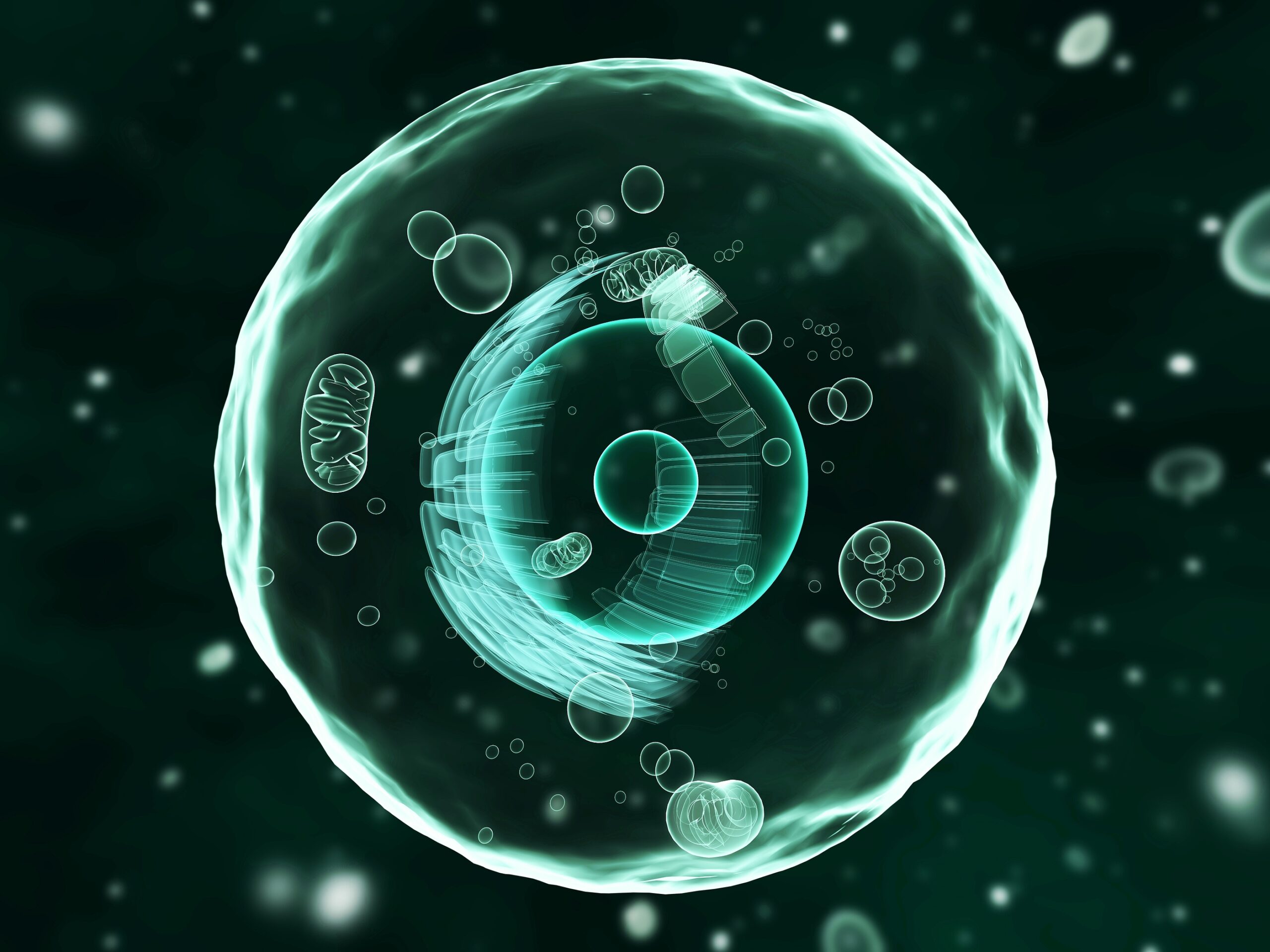
Aging doesn’t start with visible signs like wrinkles or morning stiffness. It begins much earlier at the cellular level.
Every second, trillions of cells in your body work to produce energy, repair damage, and communicate. These efforts keep you functioning. When these processes run smoothly, you feel energized, clear-headed, and resilient. When they break down, symptoms often follow.
A helpful analogy is to view your body as a busy city. Your cells are the buildings where daily work happens. Mitochondria are the power plants that keep everything running. DNA is the master blueprint that tells each cell how to function, and your immune system acts like the repair and cleanup crew. Over time, stress, inflammation, nutrient deficiencies, and hormone changes can strain the system. Power plants may produce less energy, blueprints may collect damage, and cleanup crews may fall behind. When that happens, the entire city feels the effects.
Scientists often describe aging as a set of interconnected processes. These processes are symbols of aging. Among the most important are:
These processes interact in cycles. For example, oxidative stress can damage mitochondria, which then generate more oxidative stress, accelerating cellular aging.
While aging cannot be stopped, you can positively influence how your cells function. How quickly we “age” can be directly impacted by your lifestyle and environmental factors. The following sections examine these key processes in greater detail.
Telomeres are protective elements located at the ends of your chromosomes. If your DNA is like a shoelace, telomeres are the plastic tips that keep it from unraveling.
Each time a cell divides, its telomeres become slightly shorter. This is a natural process. However, when telomeres become too short, the cell can no longer divide properly. At that point, it may enter a state of dysfunction or stop working altogether.
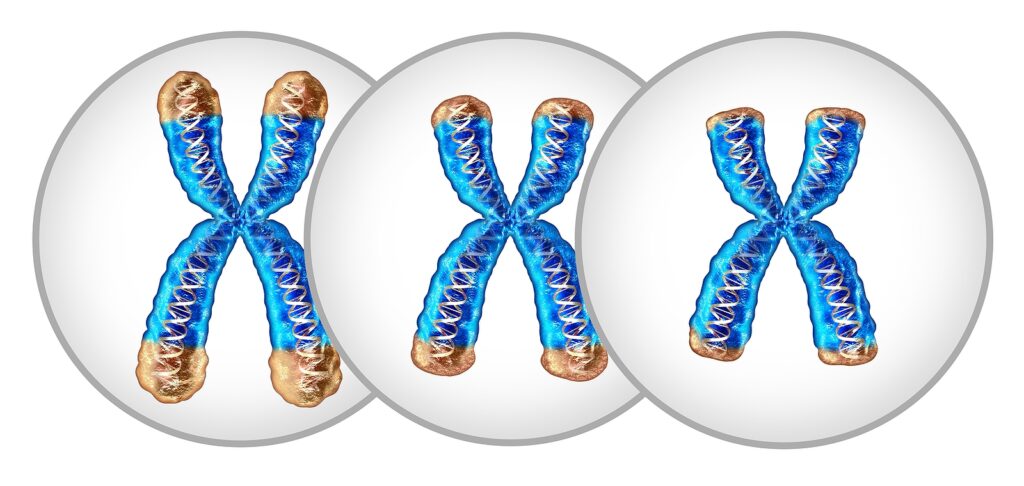
Telomere shortening is influenced by more than just time. Research shows habits and behaviors can play a role. Chronic stress, poor sleep, smoking, inflammation, and oxidative stress may speed up telomere shortening. Balanced nutrition, regular movement, and stress management may help support telomere health.
There is also an enzyme called telomerase that can help maintain telomere length in certain cells. While this enzyme is not active in most adult cells, understanding it has helped researchers better understand how cellular aging works.
In essence, telomeres serve as a biological clock influenced by lifestyle choices.
Mitochondria produce ATP, the cellular fuel your cells use. Without ATP, cells cannot repair, detoxify waste, or maintain their structure.
When mitochondria are healthy, you feel energized, mentally sharp, and capable. When they decline, you may notice fatigue, brain fog, and slower recovery.
Mitochondria are especially sensitive to stress. They can be affected by:
Damaged mitochondria can also trigger inflammatory signals. Mitochondrial biogenesis, the creation of new mitochondria, is strongly stimulated by exercise, particularly a combination of strength training and aerobic activity.
Oxidative stress happens when the body produces more reactive molecules, often called free radicals, than it can neutralize with antioxidants.
Your body naturally creates these molecules during normal metabolism. In small amounts, they serve a purpose. They help with immune defense, cellular signaling, and normal repair processes.
Problems begin when free radicals build up faster than the body can manage them. At higher levels, they can damage DNA, cell membranes, proteins, and mitochondria. Over time, this damage can interfere with how well cells produce energy, repair themselves, and communicate.
Think of oxidative stress like rust slowly forming on metal. The damage does not happen all at once. Instead, it builds gradually and weakens the structure over time.
A number of factors can increase oxidative stress:
Antioxidants from vitamins C and E, as well as polyphenols and flavonoids in colorful produce, help neutralize this damage. Addressing underlying sources of stress remains essential alongside antioxidant support.
Cellular senescence is when a cell stops dividing but doesn’t die. This can be helpful. For example, senescence sometimes prevents damaged cells from turning cancerous.
The problem arises when too many senescent cells accumulate.
These cells release inflammatory signals called the senescence-associated secretory phenotype, or SASP. These signals can harm nearby healthy cells. This causes tissue dysfunction and chronic inflammation.
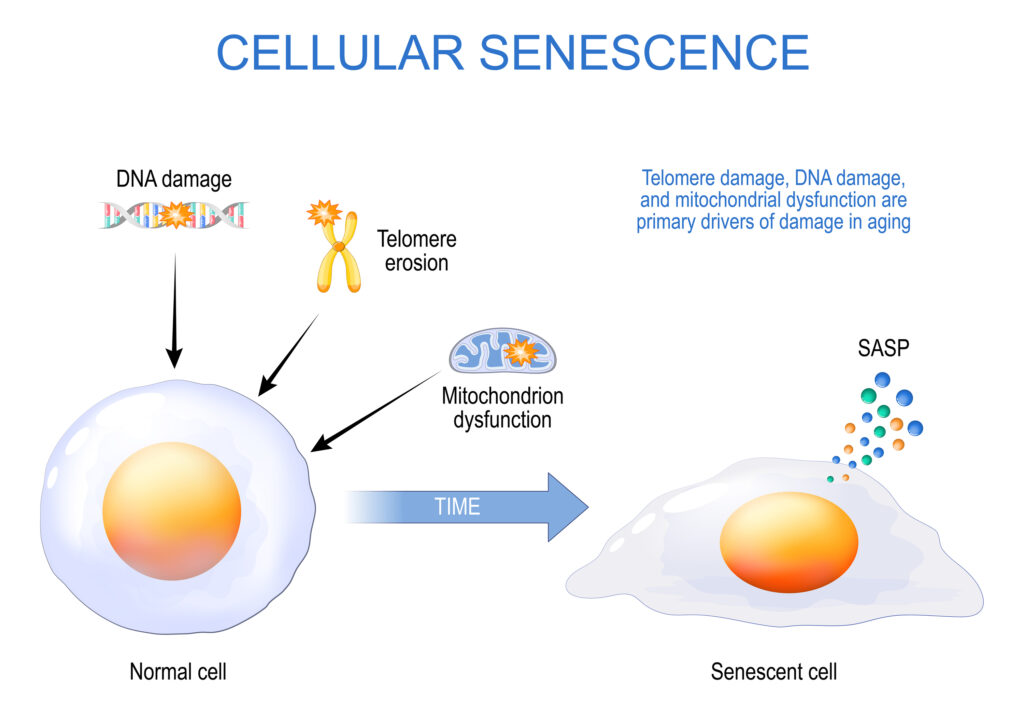
Over time, this buildup interferes with tissue repair and regeneration. It may also contribute to age-related conditions.
Senescent cells can develop in response to:
This creates reinforcing cycles that hinder tissue repair.
While aging is inevitable, the rate at which your cells age can vary greatly depending on lifestyle and environmental factors.
| Cellular Aging Accelerator | Impact on Cells |
| Chronic stress | Disrupts hormones and increases inflammation |
| Poor sleep | Limits repair and cellular recovery |
| High sugar intake | Increases oxidative stress and insulin strain |
| Nutrient deficiencies | Reduces energy production and repair capacity |
| Hormone imbalance | Disrupts communication between cells |
| Sedentary lifestyle | Weakens mitochondrial function |
| Toxin exposure | Increases cellular damage and burden |
| Chronic inflammation | Accelerates tissue breakdown and aging |
Two people can be the same age chronologically but very different biologically. One may feel vibrant and active, while the other struggles with fatigue and decline. Much of that difference comes down to cellular health.
Extreme measures are often unnecessary for supporting cellular health. Consistent routines typically have a greater long-term impact.
Focus on whole, nutrient-dense foods that provide the building blocks your cells need. This includes:
Balanced blood sugar is especially important. Large spikes and crashes can stress mitochondria and increase oxidative damage.
Healthy aging is not about quick fixes. It’s about good, daily habits that support your body over time.
Small, consistent improvements in sleep, nutrition, and stress management can have a powerful cumulative effect.
Exercise is one of the most effective ways to support cellular health. It improves circulation, stimulates mitochondrial growth, and enhances insulin sensitivity.
Both strength training and aerobic activity are important. Even simple activities like walking can produce a meaningful difference. Strength training is particularly important in the more mature years.
Sleep is when your body supports important repair and regulation processes. During deeper sleep, hormones such as growth hormone, cortisol, insulin, leptin, ghrelin, and melatonin follow natural rhythms that help support metabolism, appetite, stress response, tissue repair, and cellular recovery.
Prolonged sleep deprivation can accelerate many aspects of cellular aging, including oxidative stress and inflammation.
Support your body’s antioxidant defenses by eating colorful, whole foods and decreasing exposure to toxins.
Manage stress and avoid habits that increase harm, like excess alcohol or processed foods. This is as important as nutrition.
Hormones regulate cellular activity, influencing energy, metabolism, mood, sleep, and recovery. For women and men alike, shifts in thyroid, adrenal, sex hormones, DHEA, and cortisol can affect how cells function. At Hotze Health & Wellness Center, we evaluate and, more importantly, listen to your clinical symptoms. We also utilize comprehensive lab testing to identify imbalances. When supplementation is appropriate and indicated, we recommend bioidentical hormones only. At our center, we never recommend synthetic alternatives.
Inflammation is a key driver of cellular aging. Whereas short-term inflammation is protective, chronic inflammation can damage tissues over time.
Common contributors include poor diet, gut imbalance, stress, and chronic infections. Addressing these root causes can help restore balance.
Many people are told their lab results are “normal,” yet they still feel unwell.
Standard ranges are often broad and may not reflect optimal health. Symptoms give valuable insight into what your body needs.
Looking more deeply can help uncover imbalances that may be affecting how your cells function. Ultimately, the goal is not just a greater lifespan but a greater healthspan.
The goal is not just to live longer. It’s to live your longer years healthier and at your most optimal health.
Healthspan refers to the number of years you feel strong, capable, and independent. It is closely tied to cellular health.
When your cells function well, you are more likely to preserve energy, mental clarity, mobility, and stamina as you age.
Protecting your cells is not only about adding years to your life. It’s about adding life to your years.
At Hotze Health & Wellness Center, we focus on identifying and treating the root causes of symptoms and health concerns.
We listen to your symptoms, review your health history, and evaluate comprehensive lab work. Many guests come to us after being told everything is “normal,” yet they still don’t feel like themselves.
Since 1989, we have helped over 33,000 guests uncover underlying imbalances and restore their health.
We do not take insurance, because if we did, our expert functional and alternative medical providers would be required to treat our guests (we call our patients guests) based on the way insurance companies dictate. Operating as a cash-based medical practice allows us to treat the entire body and not just a symptom. It allows us to get to the root cause and resolve symptoms, naturally, rather than masking symptoms with pharmaceutical drugs. We believe the body has the power to heal itself naturally, and that is why we recommend natural approaches for both prevention and symptoms to maintain or regain optimal health and wellness.
You are not powerless when it comes to aging.
While you cannot stop time, you can support your body in purposeful ways. Better sleep, balanced nutrition, regular movement, and targeted care can all influence how your cells function.
If you are ready to explore a personalized path to wellness, click HERE to schedule your free phone consultation with one of our Wellness Consultants or call 281-698-8698.
This no-pressure conversation helps determine whether our approach aligns with your needs. We would be honored to support you in your wellness journey.
"*" indicates required fields

Holistic, functional medicine doctors in Houston, Texas specializing in bioidentical hormones, hypothyroidism, adrenal fatigue, menopause, perimenopause, low testosterone, allergies and LDI treatment, candida, detoxification, nutritional deficiencies, longevity and aesthetics.

© Braidwood Management, Inc. All Rights Reserved. The information on this website is provided for educational purposes only, and does not constitute any medical advice. By using this website you fully waive all legal claims based on any information contained herein, and fully agree to this disclaimer.
20214 Braidwood Dr., Houston, TX 77450
Copyright © 2026 Hotze Health & Wellness Center. All rights reserved.
Leave a Reply