
Brain Fog Is Not Normal: Find the Real Cause
March 9, 2026

Changes in mental clarity rarely appear overnight.
Instead, the process usually begins subtly.
One day, you struggle to recall a familiar word. Later, you reread an email several times before sending it. Eventually, you start relying on reminders for tasks that once felt automatic.
Gradually, these small disruptions begin to accumulate.
Productivity at work may decline. Conversations require more effort. Even simple decisions can feel mentally draining.
Many people describe the following experiences:
- Difficulty concentrating during meetings
- Forgetting names or everyday details
- Losing track of thoughts mid-sentence
- Mental fatigue after routine tasks
- Trouble multitasking
- Slower thinking or processing
These symptoms appear subtle, but they often reflect changes in the body, a change that can be addressed with the right care.
At Hotze Health & Wellness Center, we regularly meet guests (we call our patients guests) who arrive after years of unanswered questions. Thousands of dollars’ worth of doctors’ visits, complex testing, and specialized appointments, only to hear “your bloodwork is normal.” They know something has changed in their body, yet no one has explained why.
Our integrative approach focuses on identifying the root causes of symptoms, including brain fog, fatigue, and memory problems. Understanding the causes of brain fog is often the first step toward restoring mental clarity.
Why Brain Fog Is Often Dismissed
Modern healthcare systems often focus on diagnosing diseases.
When test results do not point to a specific diagnosis, symptoms may receive less attention. Yet many biological changes develop long before a formal diagnosis appears.
Brain fog frequently falls into that category.
Subtle shifts in hormones, metabolism, sleep patterns, or inflammation may influence brain function. Standard lab tests sometimes miss these early changes.
Consequently, many individuals hear the same message, “everything looks normal.”
Normal results, however, do not always reflect how someone truly feels. Clinical symptoms often provide the first indication that something deeper deserves attention.
Listening carefully to those symptoms can reveal important clues.
Common Causes of Brain Fog
Brain fog rarely has a single explanation.
Instead, several systems in the body interact to influence cognitive clarity. When these systems lose balance, brain fog can develop.
Understanding the causes of brain fog helps reveal where those imbalances may exist.
Hormones and Brain Function
Hormones influence far more than reproduction.
Chemical messengers such as estrogen, progesterone, and testosterone interact directly with neurotransmitters that regulate mood, focus, and motivation.¹
When women’s and men’s hormone levels decline or fluctuate, cognitive changes often follow.
Women frequently report increased brain fog during perimenopause and menopause. Men may experience similar symptoms as testosterone levels gradually decline.
Hormonal shifts, therefore, play an important role in cognitive clarity.
Thyroid Function and Mental Energy
Energy production throughout the body depends heavily on thyroid hormones.
Acting as a metabolic regulator, the thyroid determines how efficiently cells generate and use energy.² When thyroid function slows, fatigue and mental sluggishness often appear.
Memory difficulties, low motivation, and trouble concentrating may follow.
Because thyroid hormones influence brain metabolism, evaluating thyroid health often becomes essential when investigating brain fog.
Inflammation and Brain Communication
Communication between brain cells relies on precise signaling.
Inflammatory molecules known as cytokines can interfere with that process.³ Increased inflammation may also disrupt energy production inside cells.
Mental fatigue often follows when these changes occur.
Dietary patterns, stress, metabolic imbalance, and poor sleep may all contribute to inflammation. Over time, persistent inflammation can influence both physical and cognitive health.
Blood Sugar and Brain Fuel
The brain consumes a large amount of the body’s energy.
Glucose provides much of that fuel. However, impaired insulin signaling can prevent brain cells from using glucose efficiently.
Research has linked insulin resistance with reduced cognitive performance and memory changes.⁴
Many individuals experiencing brain fog also report afternoon fatigue, sugar cravings, or energy crashes.
Such symptoms often suggest metabolic imbalance.
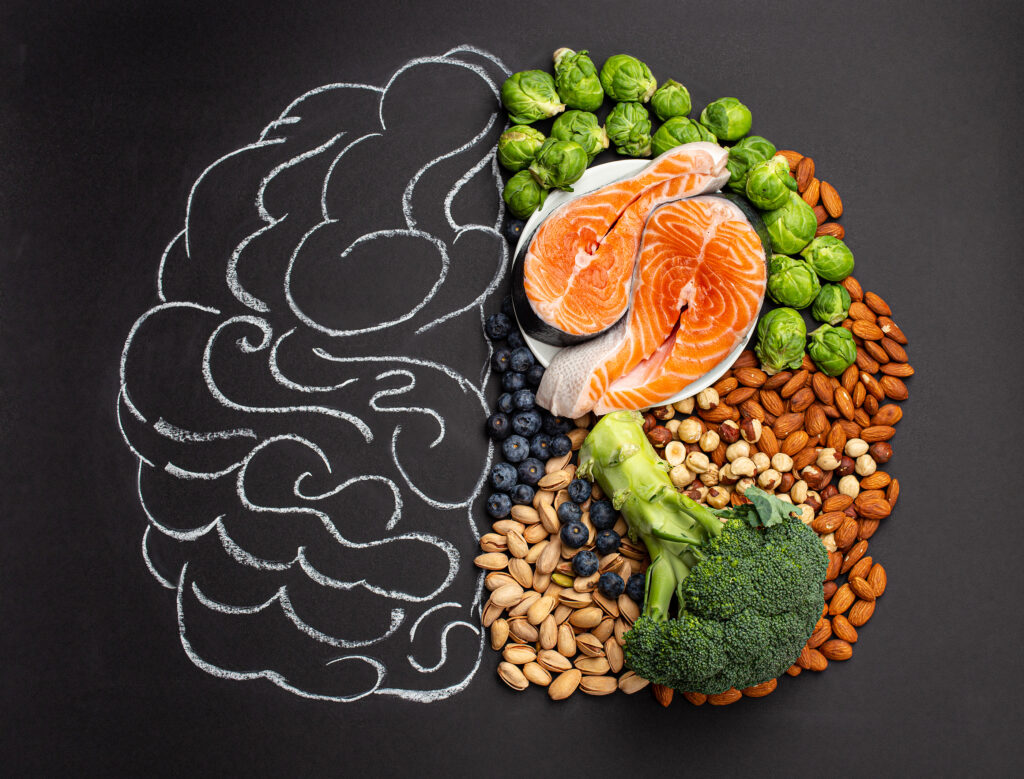
Blood sugar swings do not just affect weight or energy levels. They directly influence memory, focus, mood, and long-term brain health. Click HERE to read The Blood Sugar-Brain Connection.
Sleep and the Brain’s Night Shift
Sleep performs critical maintenance for the brain.
During sleep, the brain performs important maintenance tasks. It clears metabolic waste and consolidates memories formed throughout the day.⁵
Poor sleep quality disrupts these processes.
Sleep apnea deserves particular attention. This condition causes repeated interruptions in breathing during sleep, reducing oxygen supply to the brain.
Over time, this can significantly affect memory, focus, and mental clarity.
Nutrition and Brain Performance
Optimal brain function requires adequate nutrition.
Several nutrients play essential roles in cognitive health. B vitamins support energy metabolism and neurotransmitter production. Magnesium participates in nerve signaling. Omega-3 fatty acids contribute to neuronal structure and function.⁶
Insufficient intake of these nutrients may contribute to mental fatigue or reduced concentration.
Modern eating habits sometimes lack these essential nutrients, which may influence brain performance.
Balanced nutrition, therefore, remains an important component of cognitive health.
Our Integrative Approach
Brain fog rarely exists in isolation.
Hormones influence metabolism. Metabolism affects inflammation. Sleep patterns impact both metabolic and hormonal balance.
Because these systems interact continuously, addressing only one symptom may overlook the larger picture.
At Hotze Health & Wellness Center, we evaluate the whole body rather than focusing on a single complaint.
This broader perspective often reveals connections that conventional approaches may miss.
At Hotze Health & Wellness Center, our focus is on uncovering the root causes of symptoms through an integrative approach to medicine.
One important distinction is how we approach care. At Hotze Health & Wellness Center, we believe listening carefully to their experiences is essential. Clinical symptoms provide valuable insight that cannot always be captured through lab tests alone.
While bloodwork is still an important part of our evaluation, years of experience have taught us that a “normal” lab result does not always mean someone feels well. Hormone imbalance and hormone replenishment are not widely taught in medical school, yet they frequently play a major role in symptoms such as fatigue, brain fog, and declining vitality.
We are not sick because our bodies lack pharmaceutical drugs. Instead, over time, our hormones start to decline. When that occurs, restoring balance with bioidentical hormone replenishment may help support overall health and well-being.
Taking the First Step Toward Mental Clarity
Persistent brain fog can feel frustrating and confusing, and frankly, frightening.
Despite that frustration, symptoms often provide valuable insight into underlying health patterns. Identifying those patterns may reveal opportunities to restore balance.
If mental fog, fatigue, or difficulty concentrating have become part of daily life, a deeper evaluation may be helpful.
Understanding the causes of brain fog can provide the first step toward improvement.
Take our symptom checker to learn what your symptoms may be telling you.
If you’re ready to explore a new path to wellness, click HERE to schedule your free phone consultation with one of our Wellness Consultants. It’s a pressure-free conversation where you can ask questions, share your concerns, and discover whether our natural, root-cause approach is the right fit for you. It would be our privilege to serve you.
References
- Sherwin, Barbara B. “Estrogen and Cognitive Function.” Trends in Endocrinology & Metabolism, 2012.
https://pubmed.ncbi.nlm.nih.gov/22520795/ - Bauer, Michael, et al. “Thyroid Hormone Effects on the Brain.” Molecular Psychiatry, 2008. https://www.nature.com/articles/mp20086
- Dantzer, Robert, et al. “Inflammation Associated Depression.” Nature Reviews Immunology, 2008. https://www.nature.com/articles/nri2297
- Arnold, Steven E., et al. “Brain Insulin Resistance in Type 2 Diabetes and Alzheimer Disease.” Nature Reviews Neurology, 2018. https://www.nature.com/articles/s41582-018-0029-0
- Xie, Lulu, et al. “Sleep Drives Metabolite Clearance from the Adult Brain.” Science, 2013. https://www.science.org/doi/10.1126/science.1241224
- Kennedy, David O. “B Vitamins and the Brain.” Nutrients, 2016. https://www.mdpi.com/2072-6643/8/2/68
Contact Us
"*" indicates required fields
Recent Posts
Categories
- ADD/ADHD
- Adrenal Fatigue
- Adult Acne
- Aesthetics
- Allergies
- Anti-Aging
- Antidepressants
- Anxiety
- Arthritis
- Artificial Sweeteners
- Asthma
- autoimmune disease
- BBL
- BHRT
- Bioidentical Hormone Replacement Therapy
- blood pressure
- Brain Fog
- brain health
- Breast Cancer Awareness
- breast health
- Candida
- children
- Cholesterol
- constipation
- Crohn's Disease
- dental health
- Depression
- detox
- Estrogen
- Facials
- Fatigue
- Fatty Liver Disease
- Fatty Liver Program
- Fibromyalgia
- Gluten
- Gut Health
- Hair
- Halo
- Hashimoto's
- Health and Wellness
- healthspan
- Healthy Living
- Healthy Recipes
- Heart Health
- Hot Flashes
- Hypothyroidism
- Hysterectomy
- IASIS Neurofeedback
- Immune System
- Infertility
- intermittent fasting
- Joint Pain
- Keto Diet
- Longevity
- Low Libido
- Men's Health
- Menopause
- Menstrual Cycle
- Migraine Headaches
- miscarriage
- mold exposure
- Mood Swings
- No Energy/Fatigue
- Nutrition
- obesity
- Osteoporosis
- perimenopause
- Postpartum Depression
- Progesterone
- Rapamycin
- Sirolimus
- skin care
- Skin Health
- sleep
- Stress
- Sugar Detox
- Teen Acne
- Teen Health
- Testosterone
- Tips for Healthy Eating
- Tubal Ligation
- Type 2 Diabetes
- uterine fibroids
- Vitamin D
Join
Sign-up for our Newsletter Join our REWARDS PROGRAM Today!Info

Holistic, functional medicine doctors in Houston, Texas specializing in bioidentical hormones, hypothyroidism, adrenal fatigue, menopause, perimenopause, low testosterone, allergies and LDI treatment, candida, detoxification, nutritional deficiencies, longevity and aesthetics.
Quicklinks
About Us
Media
HOTZE Links
Current Guests
Services
Treatments

© Braidwood Management, Inc. All Rights Reserved. The information on this website is provided for educational purposes only, and does not constitute any medical advice. By using this website you fully waive all legal claims based on any information contained herein, and fully agree to this disclaimer.
20214 Braidwood Dr., Houston, TX 77450
Copyright © 2026 Hotze Health & Wellness Center. All rights reserved.
Leave a Reply