
Melatonin: Nature’s Sleep Aid
March 22, 2017
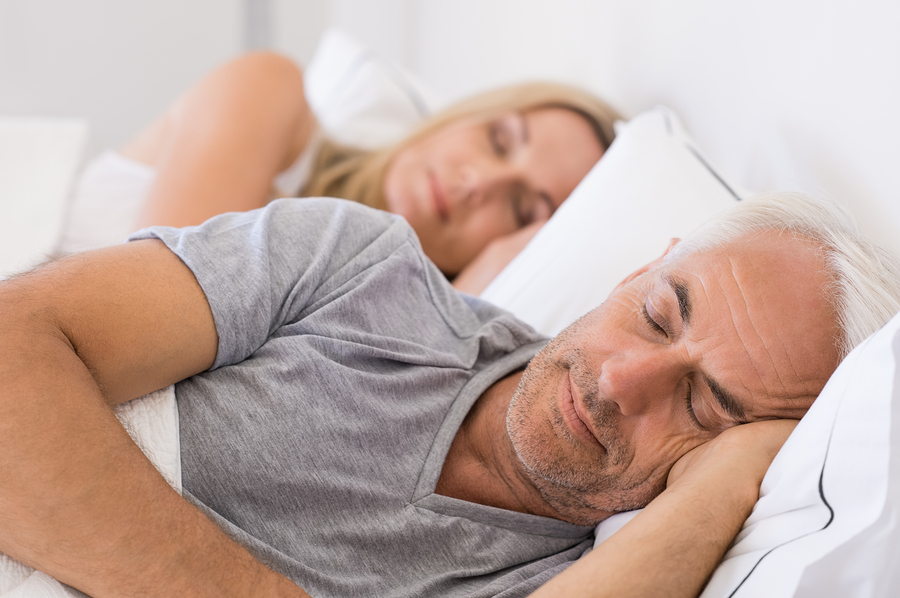 Sleep has become a priceless commodity these days. We are constantly on the go, taking the kids to school, working, trying to maintain a social life and find time for regular exercise. Sleep always ends up taking a back seat. When it’s finally time to lay your head on your pillow, your mind is still going and going, and it’s hard to shut it off. We all know how important sleep is to our health, so let’s take a look at an important hormone for sleep, melatonin.
What is Melatonin?
Melatonin is a hormone that is produced by the pineal gland at night that helps regulate your sleep and wake cycles, helping you get a restful night’s sleep. It is known as nature’s sleep aid. It is produced from serotonin through a cascade of enzymatic reactions. (1) It also helps to naturally reduce stress and anxiety, provides antioxidant and anti-cancer effects, defends against free radicals and supports glutathione activity in the neural tissue.
Melatonin’s Role in Sleep
There has been a great deal of interest in melatonin, its mechanism of action and its therapeutic effects regarding sleep. Sleep disorders are becoming frequently encountered by physicians. According to data from the Center for Disease Control (CDC), up to about 70 million Americans suffer from chronic sleep problems, which are generally associated with obesity, diabetes, hypertension and increased cardiovascular risk (1), as well as an increased risk of depression, heart attack, and stroke.(2)
Good sleep is crucial for restorative and rejuvenating rest, as well as our physical and emotional well-being. As we get older, our melatonin levels start to decline. The disruption in melatonin production and normal sleep/wake cycles makes it difficult to get a good night’s sleep. Melatonin plays a critical role in helping us to fall asleep and stay asleep through the night. Your pineal gland starts secreting melatonin at night to make you sleepy. In the morning, the secretion of melatonin is reduced as the sun rises.
Melatonin is sometimes prescribed to patients with sleep disturbances and has been shown to be effective in helping to treat certain sleep disorders such as jet lag (3, 4) and insomnia in the elderly (5). In a meta-analysis study that included fifteen studies of patients with insomnia, melatonin treatment was shown to significantly reduce sleep onset latency, increase sleep efficiency and increase sleep duration. (6) Additionally, in a recent meta-analysis, melatonin was again found to significantly reduce sleep onset latency and increase total sleep time, when compared to placebo (7). Aging changes the circadian rhythm, altering sleep quality. Treatment with melatonin may restore these impaired functions due to aging. In the older people, treatments with melatonin improved nocturnal rest. (8)
How to Increase Your Melatonin Levels
Turn out all lights
Sleep in complete darkness. Artificial lighting at night disrupts our melatonin production. Televisions, laptops, cell phones, night lights, and alarm clocks disrupt our sleep because they stop our production of melatonin, since your body thinks it is day time. Believing daytime has arrived, your biological clock instructs your pineal gland to immediately cease its production of melatonin. People who work night shifts have less melatonin production.
Melatonin Supplements
Melatonin supplements have been known to help people with insomnia because it helps support a restful night’s sleep without leaving you feeling groggy the next morning, like sleep medications do. It is a safe, non-addictive hormone. It is superior to sleeping pills.
Melatonin supplements can normalize sleep patterns. Small doses are sufficient to achieve normal nighttime levels and promote sleep. Because melatonin does not produce the dependency or side effects that sedatives, tranquilizers or sleeping pills do, it is a great substitute for them. Melatonin corrects the underlying cause of sleep problems – it corrects the imbalances in the body’s circadian rhythm that prevent a good night’s sleep. It produces more refreshing sleep than sleeping pills.
The side effect profile of melatonin therapy is quite reassuring and is largely superior to other sleep-inducing agents. For example, melatonin therapy does not cause withdrawal or dependence symptoms unlike benzodiazepines and z-drugs such as Zolpidem. (9)
Are you ready to get a good night’s sleep?
Start taking steps for a good night’s sleep today. You will not only feel better and refreshed, you will decrease your risk for disease. Healthy sleep makes for a healthy body and healthy mind!
Related Content
14 Tips for Getting a Good Night’s Sleep
Are You Tired All the Time? Lisa’s Story
Source:
The Melatonin Miracle by Walter Pierpaoli, M.D., Ph. D. and William Regelson, M.D. with Carol Colman
Research:
1. Melatonin, the Hormone of Darkness: From Sleep Promotion to Ebola Treatment
2. Sleep Disorders and Sleep Deprivation: An Unmet Public Health Problem
3. Melatonin and its Relevance to Jet Lag
4. Melatonin for Preventing and Treating Jet Lag
5. Melatonin Replacement Therapy of Elderly Insomniacs
6. Effects of Exogenous Melatonin on Sleep: A Meta-Analysis
7. Meta-Analysis: Melatonin for the Treatment of Primary Sleep Disorders
9. Melatonergic Drugs in Clinical Practice
Contact Us
"*" indicates required fields
Recent Posts
Categories
- ADD/ADHD
- Adrenal Fatigue
- Adult Acne
- Aesthetics
- Allergies
- Anti-Aging
- Antidepressants
- Anxiety
- Arthritis
- Artificial Sweeteners
- Asthma
- autoimmune disease
- BBL
- BHRT
- Bioidentical Hormone Replacement Therapy
- blood pressure
- Brain Fog
- brain health
- Breast Cancer Awareness
- breast health
- Candida
- children
- Cholesterol
- constipation
- Crohn's Disease
- dental health
- Depression
- detox
- Estrogen
- Facials
- Fatigue
- Fatty Liver Disease
- Fatty Liver Program
- Fibromyalgia
- Gluten
- Gut Health
- Hair
- Halo
- Hashimoto's
- Health and Wellness
- healthspan
- Healthy Living
- Healthy Recipes
- Heart Health
- Hot Flashes
- Hypothyroidism
- Hysterectomy
- IASIS Neurofeedback
- Immune System
- Infertility
- intermittent fasting
- Joint Pain
- Keto Diet
- Longevity
- Low Libido
- Men's Health
- Menopause
- Menstrual Cycle
- Migraine Headaches
- miscarriage
- mold exposure
- Mood Swings
- No Energy/Fatigue
- Nutrition
- obesity
- Osteoporosis
- perimenopause
- Postpartum Depression
- Progesterone
- Rapamycin
- Sirolimus
- skin care
- Skin Health
- sleep
- Stress
- Sugar Detox
- Teen Acne
- Teen Health
- Testosterone
- Tips for Healthy Eating
- Tubal Ligation
- Type 2 Diabetes
- uterine fibroids
- Vitamin D
Join
Sign-up for our Newsletter Join our REWARDS PROGRAM Today!Info

Holistic, functional medicine doctors in Houston, Texas specializing in bioidentical hormones, hypothyroidism, adrenal fatigue, menopause, perimenopause, low testosterone, allergies and LDI treatment, candida, detoxification, nutritional deficiencies, longevity and aesthetics.
Quicklinks
About Us
Media
HOTZE Links
Current Guests
Services
Treatments

© Braidwood Management, Inc. All Rights Reserved. The information on this website is provided for educational purposes only, and does not constitute any medical advice. By using this website you fully waive all legal claims based on any information contained herein, and fully agree to this disclaimer.
20214 Braidwood Dr., Houston, TX 77450
Copyright © 2026 Hotze Health & Wellness Center. All rights reserved.
Leave a Reply