
- Home
- Symptom Checker
-
Services
Allergy
Diagnostics
Aesthetics
Hormone Balancing
Gut Health / Nutrition
- Blog
- Podcasts
- Resources
-
About Us
About Us
- Contact Us
May 12, 2026
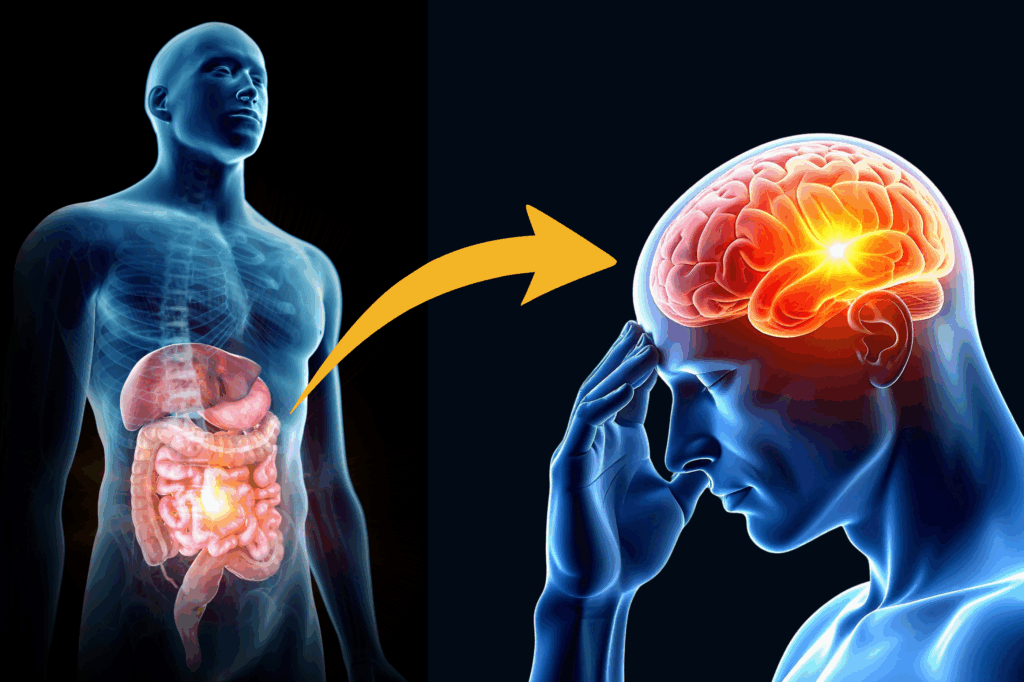
Picture this scenario. You stand before an audience for a high-stakes presentation, and your stomach performs an unwelcome flip. During a season of grief, meals lose their appeal entirely. Or perhaps you notice your thoughts growing sluggish and unclear after several days of digestive unease. These familiar moments do not occur by chance. They represent visible evidence of an ongoing, sophisticated dialogue between your digestive system and your brain.¹
This conversation is known as the gut-brain axis, a two-way communication highway that never stops working. Signals travel back and forth through nerves, hormones, immune messengers, and powerful compounds made by the trillions of microbes living inside your intestines. The exchange influences your mood, mental clarity, stress resilience, inflammation levels, hormone balance, energy, and immune function. The gut does not simply follow orders from the brain. It actively shapes how you think, feel, and respond to life, while the brain influences digestion, gut movements, and the balance of your inner microbial world. When this network runs smoothly, you feel more like yourself. When it gets disrupted, symptoms can appear in surprising places across your body.²
Most people understand that stress can upset the stomach. A tense meeting, public speaking, or tough conversation can trigger queasiness or loss of appetite. A stressful week might leave you bloated or skipping meals. These reactions make sense.
What surprises many is that the signals travel both ways. Problems starting in the gut can change your mood, focus, sleep, and emotional resilience. You might wake up mentally foggy even after sleeping well. You could feel unusually irritable or struggle to remember simple things while also dealing with bloating, irregular bathroom habits, or unexpected food reactions. These overlapping symptoms often tell the same story: your gut and brain are trying to get your attention.³
Deep inside your digestive tract lives a vast, living community of bacteria, fungi, viruses, and other microbes called the microbiome. This personal ecosystem helps digest food, strengthens your immune system, produces beneficial compounds, and protects the delicate lining of your intestines. When this community is diverse and balanced, it supports clearer thinking, steadier emotions, and steadier energy throughout the day.⁴
Modern life can easily disturb this balance. Ongoing stress, poor sleep, frequent antibiotics, diets high in sugar and low in fiber, infections, environmental toxins, or hormone changes can all shift the microbial population. Sometimes the results are obvious, bloating, constipation, or loose stools. Other times the effects feel unrelated to digestion, such as afternoon crashes, intense sugar cravings, trouble concentrating, or feeling unusually on edge. Recognizing these patterns helps you ask smarter questions about what your body truly needs.⁵
Your gut and brain communicate through several remarkable pathways. The star player is the vagus nerve, a long, wandering nerve that starts in the brainstem, travels through your neck and chest, and reaches deep into your digestive organs. It carries real-time updates about hunger, fullness, digestion, and your stress level. It also helps flip your body from “fight or flight” mode into the calmer “rest and digest” state.⁶
Your immune system adds another vital link. A huge portion of your immune cells live right next to the gut lining. When the gut barrier becomes irritated or the microbes shift out of balance, it can trigger low-grade inflammation that travels throughout the body. This often leaves you feeling tired, mentally sluggish, or less able to handle daily pressures.
Hormones weave everything together. Cortisol, thyroid hormones, insulin, and sex hormones all affect both digestion and brain function. At the same time, signals from your gut influence how these hormones are made, used, and cleared.
Gut microbes produce some of the most fascinating messengers. When beneficial bacteria ferment fiber from vegetables, fruits, and whole grains, they create short-chain fatty acids (such as butyrate). These compounds strengthen the gut wall, calm inflammation, and send helpful signals all the way to the brain.6
This explains why symptoms so often travel in packs. Digestive trouble, low mood, brain fog, and hormone shifts frequently show up together because they share the same communication network.
The vagus nerve is one of the most powerful tools in the gut-brain axis. When it is toned and active, it helps your body recover from stress, digest food efficiently, and maintain a sense of inner calm. You can support it with simple, everyday practices that feel good rather than forced:
When stress stays high for too long, digestion often becomes unpredictable, loss of appetite, nausea, bloating, constipation, or sudden urgency. Ongoing gut discomfort can also make your nervous system feel more reactive. Supporting the vagus nerve often brings noticeable relief in how you feel day to day.
You can learn more about the vagus nerve in the following article: The Vagus Nerve: A Deep Dive into the Body’s Electrical Superhighway
Your mood is not just “in your head.” It is shaped by sleep quality, hormone levels, blood sugar stability, nutrient status, inflammation, and, importantly, your gut health. Gut microbes help produce or influence about 90 percent of the body’s serotonin, the key chemical associated with mood stability. They also affect other brain chemicals and immune signals that reach the brain.1
Brain fog can be incredibly frustrating. You reread the same paragraph several times, forget why you walked into a room, or find everyday tasks require extra effort. Inflammation linked to gut changes can contribute to this mental sluggishness. Supporting a healthy gut lining and balanced microbiome may help reduce that inflammation and restore clearer thinking.6
Of course, many pieces matter. Thyroid function, adrenal health, nutrient levels, sleep, and blood sugar all interact. The gut-brain axis simply offers one of the most exciting and actionable places to start.
Dysbiosis means the microbial community inside you has shifted away from its ideal state: lower diversity, overgrowth of certain organisms, or weakened digestion.
Common signs include:
These clues do not diagnose anything on their own, but they invite a deeper look at the whole picture rather than treating each symptom in isolation.
Hormones control how energetic you feel, how well you sleep, your motivation, weight, libido, and ability to handle stress. Your gut helps by absorbing the raw materials needed to make hormones, supporting the liver in clearing excess hormones, and managing inflammation that can throw hormones off balance. In return, hormones influence how food moves through your intestines and how comfortable your gut feels.
Many people struggle with clusters of symptoms, bloating, exhaustion, anxious feelings, low energy, poor sleep, weight changes, and mood variability. Looking at both gut health and hormones together often brings clearer answers and more lasting results. When hormone support is needed, we recommend bioidentical hormones. Bioidentical hormones are structurally identical to the hormones produced in your body, which means they restore balance in a way that is more natural, often with fewer side effects.
Guessing wastes time. Treating one symptom while ignoring the rest of the body usually leads to incomplete results. A thorough approach combines your personal story (including your clinical symptoms), daily habits, and comprehensive lab work that examines digestion, hormones, thyroid, adrenals, immune markers, and nutrients. The real value comes when an experienced provider interprets results within your unique context.
Many people hear that their bloodwork is “normal” yet continue feeling unwell. Normal ranges do not always equal optimal function. Persistent symptoms deserve real attention.
Typically, conventional doctors are not as well versed as integrative, alternative, and functional medicine providers on hormone imbalances. Most conventional doctors will treat individual symptoms with pharmaceutical drugs (which only mask symptoms and do not get to the root cause). An experienced alternative and integrative medical provider will treat the entire body, partnering with you to get to the root cause of your symptoms for resolution utilizing natural approaches.
Restoring balance does not require extreme cleanses or complicated regimens. The best plans start with you as an individual and focus on improving digestion and regular elimination, providing key nutrients, balancing hormones, reducing inflammation, optimizing sleep and stress management, and supporting a healthy microbial environment.
One highly effective option many guests of the Hotze Health & Wellness Center have used successfully is the Body Reboot Challenge, a free 30-day gut reset program designed by our functional medicine doctors and certified nutritionists. This structured, sugar-free eating plan removes common dietary triggers that contribute to microbial imbalance, inflammation, and stubborn weight. Participants often experience reduced bloating, fewer cravings, steadier energy, sharper mental clarity, and noticeable support for both gut health and sustainable weight loss. The program includes weekly guidance, recipes, and expert support from nutritionists, making it a practical and sustainable way to reboot your system and strengthen the gut-brain connection. Click HERE to join the Body Reboot Challenge.8
You can also boost beneficial bacteria by making your own probiotic-rich foods at home. The Healthy Probiotic Yogurt Recipe from Physicians Preference Vitamins provides a simple, delicious way to create a high-potency, probiotic yogurt that supports gut lining repair, microbial diversity, and overall digestive comfort. Many guests find this homemade approach both affordable and effective for daily gut support.8
While probiotics add beneficial bacteria, prebiotics serve as their favorite food. These specialized fibers pass through the upper digestive tract undigested and reach the colon, where they selectively feed helpful microbes. This process encourages the growth of beneficial bacteria, boosts short-chain fatty acid production, strengthens the gut barrier, and supports smoother communication along the gut-brain axis.
Some of the richest and most accessible prebiotic foods include:
Incorporating a variety of these foods daily helps create an environment where beneficial bacteria thrive. Start small if your gut is sensitive, and gradually increase portions to allow your microbiome to adjust comfortably.9
Fiber-rich foods in general feed good bacteria and boost short-chain fatty acid production. Fermented foods like yogurt, kefir, sauerkraut, and kimchi can increase microbial diversity and lower inflammation. One well-known Stanford study showed a fermented-food-focused diet improved diversity and reduced inflammatory markers more effectively than a high-fiber diet alone.10
Small, consistent actions strengthen the gut-brain connection over time:
These habits are not quick fixes. They are kind, respectful signals of safety and support to your body’s natural intelligence.
At Hotze Health & Wellness Center, care focuses on uncovering root causes rather than masking symptoms. Many guests arrive after seeing multiple doctors without real answers. At Hotze Health & Wellness Center, providers take time to listen to your full story, run comprehensive testing, and build a personalized plan that addresses multiple systems at once.
Since 1989, the center has helped more than 33,000 people from across the nation and around the world regain energy, strengthen immunity, restore vitality, and improve their healthspan. Without insurance restrictions, providers can spend the necessary time listening and collaborating with you. The philosophy honors the body’s remarkable ability to heal and restore balance when given the right conditions.
If you regularly deal with bloating, brain fog, fatigue, mood swings, inflammation, or hormone-related challenges, these may be important signals from your body. The gut-brain axis reminds us that everything is connected. Your digestion may be speaking through your mood. Hormones may be affecting your sleep. Your immune system may be contributing to discomfort. Brain fog may be asking for deeper support.
You do not have to figure it out alone. Schedule a free, no-pressure phone consultation with one of the wellness consultants. Click HERE to schedule or call 281-698-8698. This conversation gives you space to share your experiences, ask questions, and discover whether an integrative, root-cause approach is the right fit for you. We would be honored to walk with you toward greater balance, energy, and well-being.
"*" indicates required fields

Holistic, functional medicine doctors in Houston, Texas specializing in bioidentical hormones, hypothyroidism, adrenal fatigue, menopause, perimenopause, low testosterone, allergies and LDI treatment, candida, detoxification, nutritional deficiencies, longevity and aesthetics.

© Braidwood Management, Inc. All Rights Reserved. The information on this website is provided for educational purposes only, and does not constitute any medical advice. By using this website you fully waive all legal claims based on any information contained herein, and fully agree to this disclaimer.
20214 Braidwood Dr., Houston, TX 77450
Copyright © 2026 Hotze Health & Wellness Center. All rights reserved.
Leave a Reply